
South Korea’s No-Birth Generation
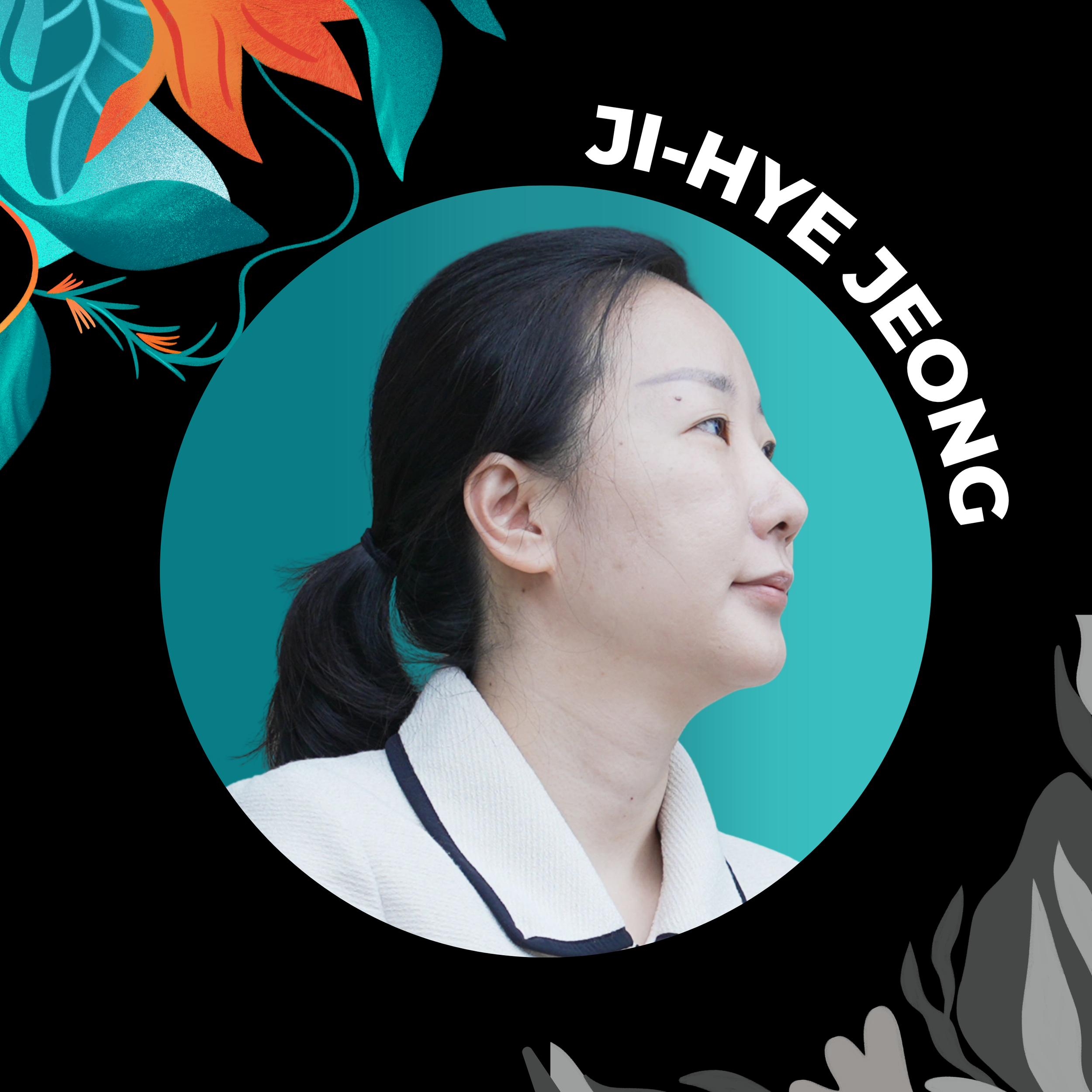



As South Korea’s birth rates continue to decline, reporter Ji-Hye Jeong highlights the rising tide of young feminists who are staging a strike against patriarchy. Despite relentless cultural and political backlash, the surge in South Korea’s women’s resistance movements - from the 2015 feminist 'reboot' to 'escape the corset' and 4B - offers a radical response to the misogynistic forces that compel women into marriage and motherhood. Highlights include:
How strong cultural expectations in South Korea pressure women toward marriage, motherhood, and male approval from an early age,
How women’s high educational achievement contrasts sharply with persistent gender inequality in pay and leadership roles;
How the 2015–2018 feminist 'reboot' emerged and was fueled by events like the Gangnam Station murder and #MeToo;
How spy cams in public and private spaces and the widespread distribution of these materials combined with weak government responses fueled feminist anger and 'my life is not your porn' protests;
How despite intense political and media backlash, there is a dramatic rise in women-led resistance movements like 'escape the corset', which challenge both the outward corset of beauty norms and the inner corset of gendered behavioral expectations, and the 4B movement, which represents a radical rejection of dating, marriage, sex, and childbirth under patriarchy;
How the ideal of a normal, desirable life centered on motherhood fuels South Korea’s growing IVF industry and makes critical media coverage of the industry nonexistent;
How media narratives frame low birth rates as an economic issue rather than a gender inequality problem;
What Ji-Hye’s upcoming film, No-Birth Generation, reveals about a growing generation of women rejecting patriarchal life paths and pushing for greater autonomy in their lives.
MENTIONED IN THIS EPISODE:
-
JiHye Jeong (00:00):
In South Korea today, whether women identify as feminists or not, many of them clearly recognize that marriage, childbirth, and coupling with men involve very serious risks for their lives. So in a world where women are already expected to participate in patriarchy as a matter of course, opting out becomes a radical act. And the 4B movement refers to rejecting four forms of heterosexual intimacy with men which are dating, sex, marriage, and childbirth. The clearest sign of that is probably South Korea's birth rate, which is the lowest in the world. And the state seems to view the falling birth rate and the growing number of unmarried men as a major threat to male political power and the women who refuse marriage childbirth and partnership with men are being treated almost as if they are committing an offense.
Alan Ware (00:54):
That was journalist, author, and documentary filmmaker JiHye Jeong. We'll talk with JiHye about the growing feminist movement in South Korea and the patriarchal roots of South Korea's pronatalism, women's oppression, and low fertility alarmism.
Nandita Bajaj (01:17):
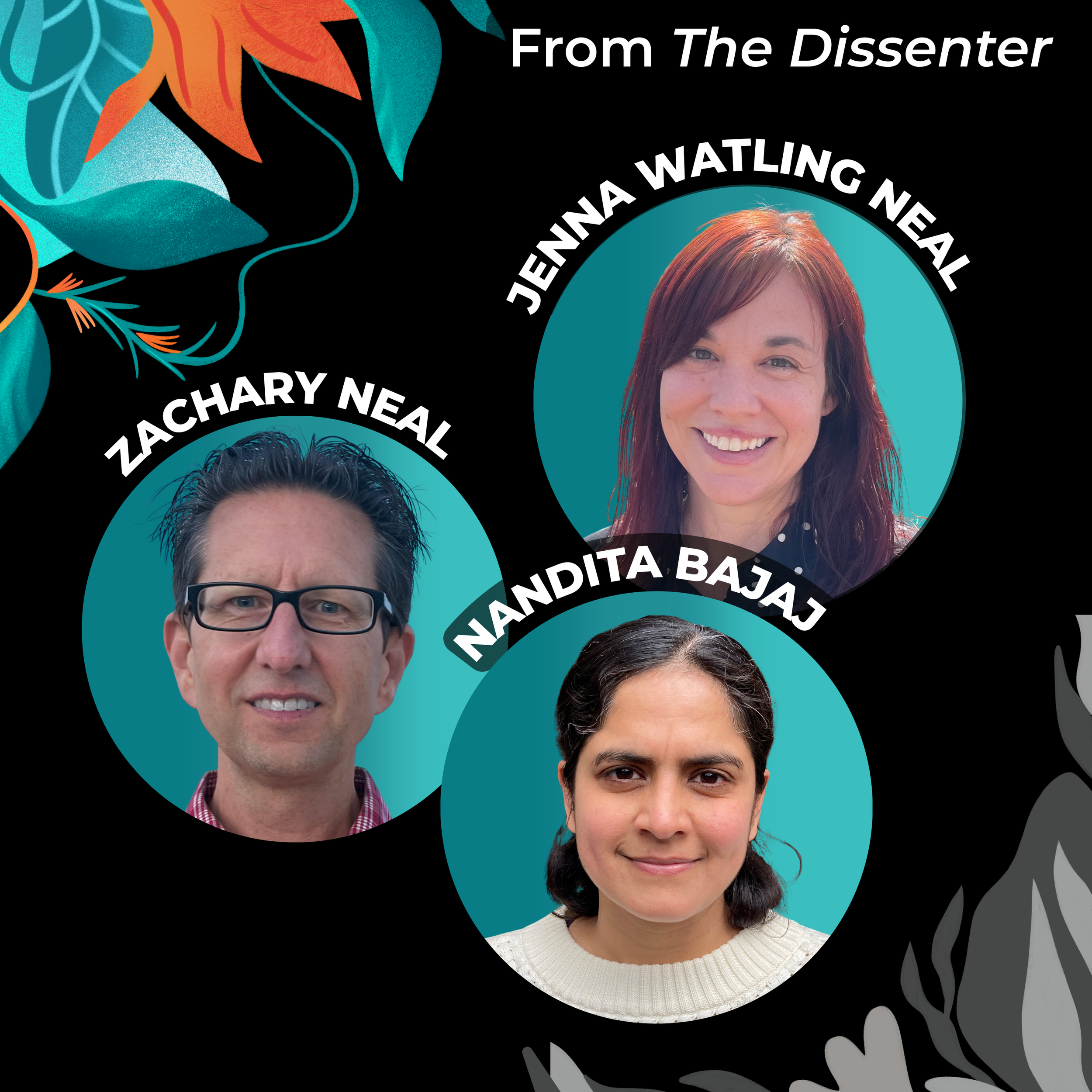
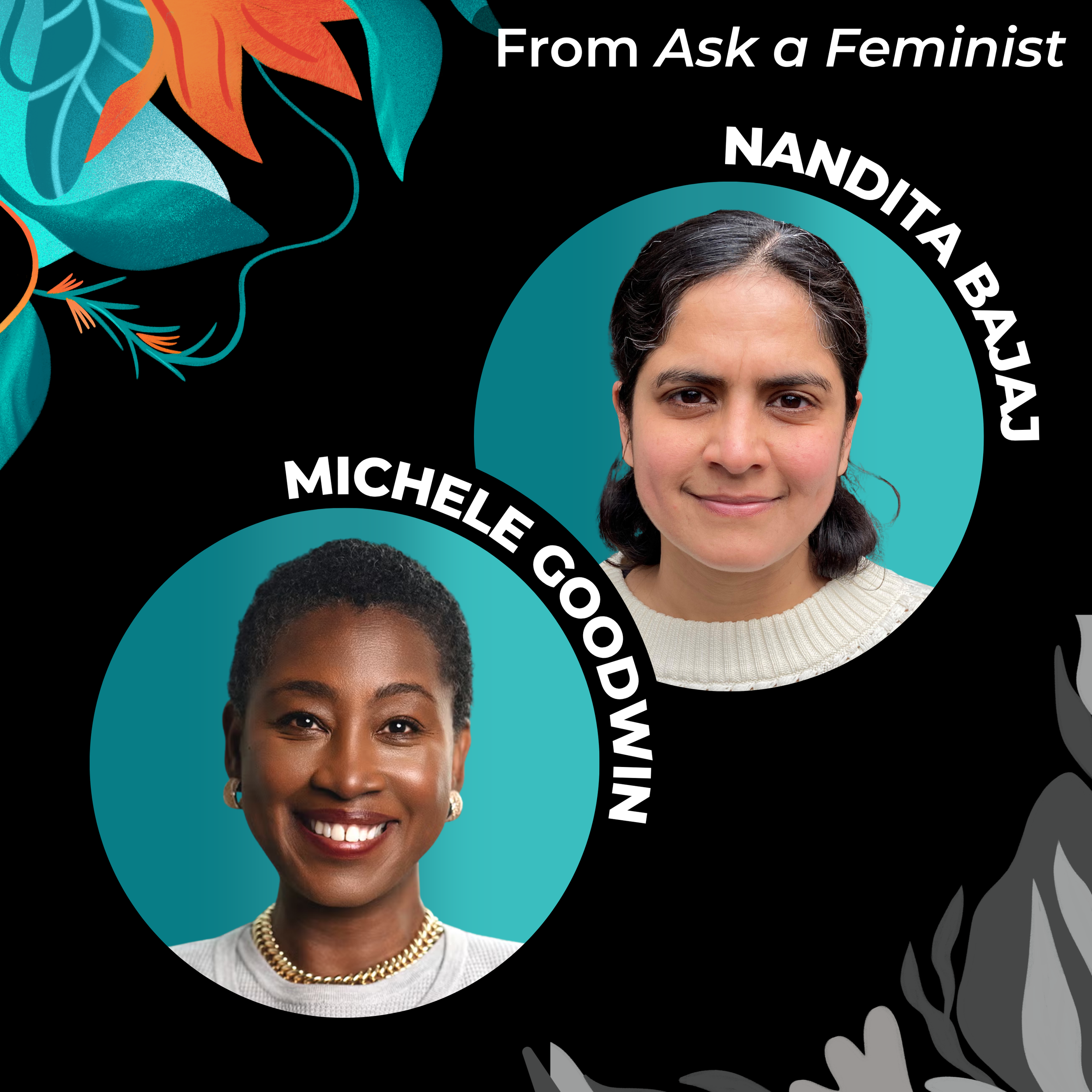
Welcome to OVERSHOOT, where we tackle today's interlocking, social and ecological crises driven by humanity's excessive population and consumption. On this podcast, we explore needed narrative behavioral and system shifts for recreating human life in balance with all life on Earth. I'm Nandita Bajaj, co-host of the podcast and executive director of Population Balance.
Alan Ware (01:42):
I'm Alan Ware, co-host of the podcast and researcher with Population Balance. With expert guests covering a range of topics, we examine the forces underlying overshoot - the patriarchal pronatalism that fuels overpopulation, the growth-obsessed economic systems that drive consumerism and social injustice, and the dominant worldview of human supremacy that subjugates animals and nature. Our vision of shrinking toward abundance inspires us to seek pathways of transformation that go beyond technological fixes toward a new humanity that honors our interconnectedness with all of life. And now on to today's guest.
(02:20):
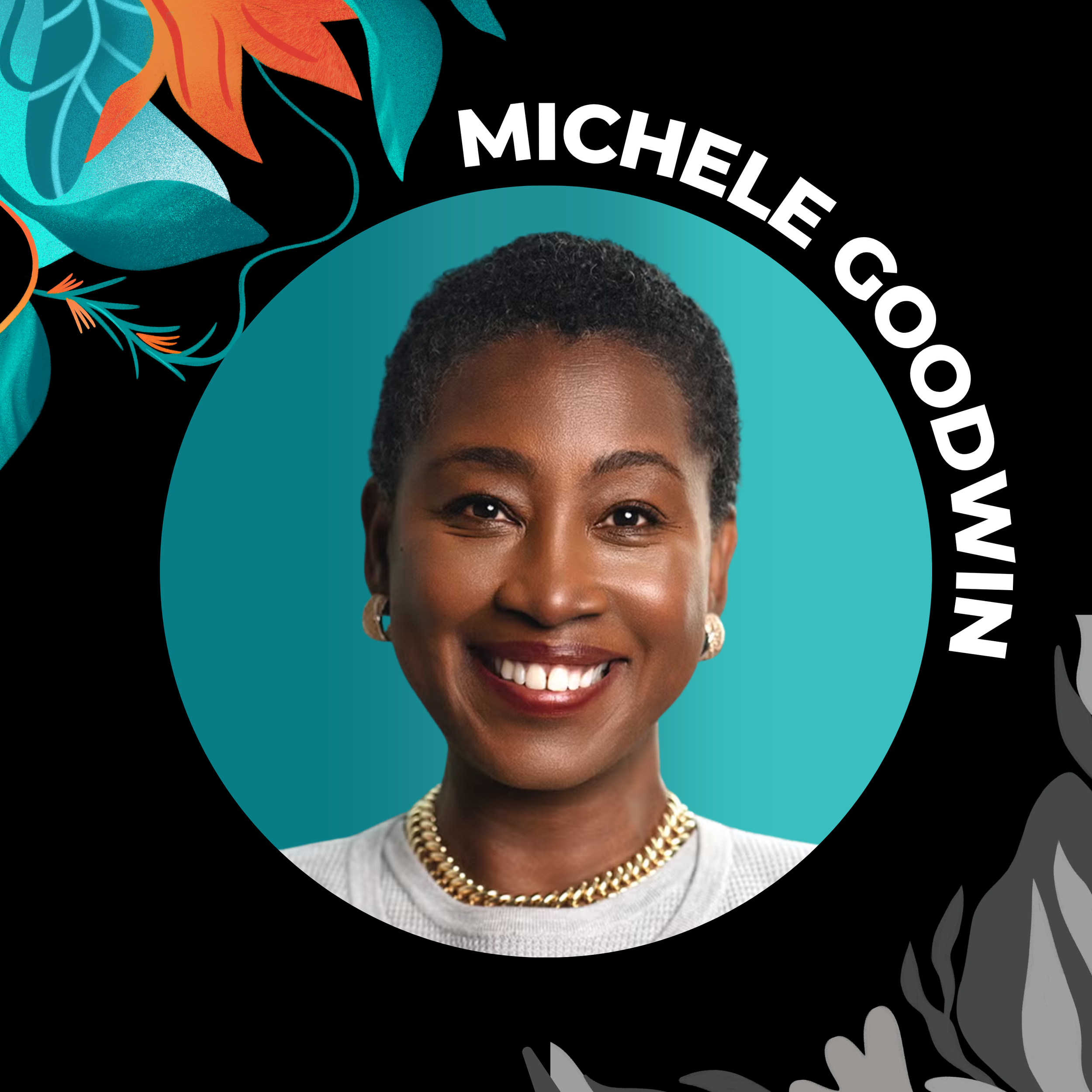
JiHye Jeong is a South Korean journalist, author, and researcher working on gender, media, and social inequality. She's the author of We Are All Guilty of Trolling and Korean Gender War, and is currently writing the Korean Incel Report. She received a fully funded postgraduate certificate in social inequality from the London School of Economics and Political Science, where she also completed an independent research project on South Korean women's resistance to patriarchy and the 4B movement. A feature length documentary based on that project is due for release in the first half of this year. She has recently been admitted to master's programs at both London School of Economics and Political Science and Oxford, and will move to the UK this autumn to continue her studies and now on today's interview.
Nandita Bajaj (03:09):
Hello, JiHye and welcome to the OVERSHOOT Podcast. We are so thrilled to have you.
JiHye Jeong (03:14):
Thank you for having me.
Nandita Bajaj (03:16):
Yes, of course. And JiHye, with South Korea being persistently in the news surrounding the country's declining fertility rate, it is wonderful to have you to help us better understand both this demographic reality as well as the plight of women's rights in the country. You are an on-the-ground reporter in South Korea who has also written a number of books on these topics, and you bring rich firsthand experience and perspective about the feminist awakening in South Korea, accompanying this low birth rate alarmism. Your work very much resonates with ours in exposing the patriarchal roots of pronatalism, women's oppression, and population panic. And we are so excited about this conversation. So thank you again for being here. And so JiHye, before we get deeper into the conversation, we're curious to learn more about your personal experience. As a young woman growing up in South Korea, what were your expectations around marriage, family, and career?
JiHye Jeong (04:27):
Yes. So as I'm now in my late 30s, I realized that while I was growing up, I never once imagined becoming a woman who would not marry or have children. For a very long time, South Korean society basically taught us that unless a woman has some serious flaw, a good woman would naturally meet a good guy, get married and build a family. So that view still remains to a large extent today, except perhaps among some younger women in their 20s and below. And people say the atmosphere has changed a lot and in some ways it has, but the basic structure is still very much there and women are still seen as the primary carer of children. Even in dual income households, it is usually the mother who is expected to stay on call for anything related to the child and deal with it immediately. And women are not explicitly told not to have careers or as such, but if a woman seems to treat her career as more important than pregnancy, childbirth, or raising children, that is still not widely accepted.
(05:36):
And the assumption is that having and raising children should come first and only after that should a woman pursue her career. So I think girls are also raised to internalize the male gaze without even fully realizing it. They grow up constantly asking themselves things like, how would men see this or what would men think of me if I did this or that? So they are encouraged to live in ways that do not stray too far from traditional femininity and things like having strong career mission or earning more than a male partner are not really encouraged in women. And I think many women themselves instinctively know that openly embracing those things can make life more difficult for them in Korea. So they often choose not to emphasize that side of themselves or even to suppress it. Another thing I noticed is that there is a real social atmosphere in which winning a husband with status and wealth is seen as one of women's greatest achievements and this affects not only conservative women who might only dream of becoming a traditional wife, but also so-called alpha girls in Korea - highly educated, professionally successful women.
(06:58):
So even many successful women have spent a long time without really questioning the patriarchal framework itself. So a lot of them still see finding a good man as another marker of success. And that might mean finding a high status successful men who helps them gain access to elite circles and greater economic security, or on the other hand, finding a less ambitious men who can support and accommodate women's own success. So either way, meeting the right men is still treated as part of female achievement, and that is why many women are afraid that if they reach what is seen as marriageable age without finding a decent male partner, they will look like they have somehow failed. And because of that fear, I think quite a lot of women make compromises in relationships and marriage that they would not otherwise make. And I understand all of this as part of a social atmosphere that has been deliberately shaped by the state, one that matches men and women together in order to make women absorb the men's emotional volatility of social care and welfare burdens of male breadwinner while also encouraging women's reproduction.
Nandita Bajaj (08:14):
Right. Yeah. There's so much that I can definitely relate to just having grown up in India. And I think what I find remarkable about everything that you said is a lot of us in the West don't necessarily have that same perception of South Korea as we might do of other countries like India or countries in Africa, as seen as very patriarchal. I think there's a sense that because South Korea has seen such economic and technological advancement, that somehow it's also advanced in other ways such as in gender equality. But as you're saying, those advancements don't necessarily reflect in the really strict gender roles that are expected of men and women. And I really appreciated what you said about marriage and children still being seen as a marker of success, even among highly educated women and the social norms have been so deeply absorbed. And we see that also within other feminist movements around the world, which have largely failed to critique this aspect of patriarchy, which is the expectation that marriage and motherhood must remain key aspects of women's identities.
(09:40):
And I understand that you realized that you didn't want to have children, and you've been doing a lot of work in raising awareness about gender inequality and feminism in your journalistic work. Can you talk a little more about your path to how you became interested in this kind of work?
JiHye Jeong (10:01):
Yeah. So I became a journalist in 2015, which was also the year what people in South Korea called the feminism reboot began. And it was a moment when digital feminist activism, especially among younger women, became much more visible online. There were a few key events that helped trigger that resurgence. And one was the case of a Korean teenage boy who said, "I hate feminists," and then joined ISIS, Islamic State. That incident made many people start asking, "What the hell is feminism and why is it so provoking this kind of reaction to this young boy?" And after that, a number of prominent male intellectuals began publicly saying things like, "Well, feminism had gone too far. Feminism became irrational and excessive. Feminism is creating conflict between men and women, et cetera." And many women, of course, strongly pushed back against that framing because it was clearly absurd.
(11:04):
And that backlash from women became one of the forces behind the feminism reboot. Then in 2016, one year later, there was a Gangnam Station murder where a young woman in her 20s was killed in a public toilet by a men she had never met. The killer said his motive was that women looked down on him. So many women were devastated and furious and they gathered near the scene to mourn her, but the state and the police refused to recognize it as a misogyny crime. So a lot of women in Korea say that was a feminist awakening for them, and I would say it was one for me too. And I also think one reason this awareness spread so quickly was the high educational level of Korean women. South Korea actually has a higher rate of women going to university than some Nordic countries like Sweden, but the general level of gender equality, like you said earlier in society is nowhere near that.
(12:05):
So there is a huge gap between women's educational achievement and the social reality they face. And I think that gap made more women recognize the problem very clearly. And if the Gangnam station murder was the first major shock, there was the second one was the way Korean society reacted to the Me Too movement around 2018. So several powerful male politicians, including figures once seen as potential presidential candidates, were exposed for committing sexual violence and abuse of power to his secretary, but instead of supporting the women who came forward, Korean society subjected them to relentless harassment. And in many cases, the only people openly standing with them were young feminist women. So there were conspiracy theories claiming that the women had been paid by rival political parties to make false accusations or that they had reported the abuse out of personal resentment because they had not received money from the guy.
(13:09):
Even mainstream media often repeated those claims without much scrutiny as feminism began to be seen as a threat to male political power. I think the banglash grew much more serious since then. And in South Korea where women still make up only around 20% of the national assembly, even progressive politics often seems to allow feminism only as long as it does not seriously challenge male power. So when the Me Too movement led to the downfall of several men in progressive political circles, there was also a clear move within those circles to demonize feminism itself. So watching all of that made me feel very strongly that there needed to be a serious intellectual effort to resist the slide into a more openly misogynistic and anti-feminist society. And that was one of the key reasons I became deeply committed to gender inequality and feminism in my journalistic work.
Alan Ware (14:08):
Yeah. And as you kind of referred to, the level of higher education of women in Korea is extremely high. I think it ranks first in tertiary education attainment, which would be college in the OECD. But putting this within the broader context, what is the state of gender inequality in South Korea today, according to various metrics that you're aware of?
JiHye Jeong (14:33):
Yeah, I think it is very clear that gender equality in South Korea is now moving backward. In the end, I see this as a political issue tied to gendered power relations. To be honest, I do not think gender equality or feminist discourse has ever been genuinely respected or meaningfully embraced in South Korea. So around 2015, feminism gained much more visibility through what was called the feminism reboot. And for maybe two or three years, there was a brief period when feminism had a more positive public image. Politicians tried to make use of it, or at least tried to appeal to women voters, but once feminism began to have real political consequences around 2018, especially when powerful politicians started falling because of sexual violence allegations, the backlash began almost immediately. And so from that point on, feminism could no longer be treated as something fashionable or acceptable, in my view.
(15:35):
And after that, feminism was rapidly demonized since then. And the situation reached a very bleak point in the 2022 presidential election when a candidate with extremely poor gender awareness won after openly campaigning on the promise to abolish the ministry of gender equality and family because it is no longer needed in this society. Since then, gender-based violence, including defake sexual abuse and femicides by intimate partners has become much more visible. And even under the new government in 2025, backlash politics has continued. For example, a department was created within the Ministry of Gender Equality to deal with so- called male reverse discrimination, and whether the conservatives or the liberals are in power, the atmosphere is getting worse in the sense that neither of the two major parties really wants to foreground gender equality or women's issues anymore. And there are many reasons behind this, but I think the biggest one is that more and more women are deciding that they do not want to be absorbed into patriarchy anymore, and the state seems to view the falling birth rate and the growing number of unmarried men as a major threat, and the women who refuse marriage, childbirth, and partnership with men are being treated almost as if they are committing an offense.
(17:04):
In South Korea today, whether women identify as feminists or not, many of them clearly recognize that marriage, childbirth, and coupling with men involve very serious risks for their lives. The clearest sign of that is probably South Korea's birth rate, which is the lowest in the world. A total fertility rate of around 0.7 is at a level that is hard to compare with any other country. And among women in their 20s, even to share who say they want romantic relationships or marriage with men has fallen significantly compared with older generations to the point where a large proportion no longer want that. And for women who have already gone through a feminist awakening, a lot of them simply laugh off the demonization of feminism and focus instead on preparing for economic independence. So at the same time though, there is also a growing climate of intimidation, like publicly identifying with feminism or openly saying you do not want children is increasingly met with hostility, so many women are becoming more cautious about expressing those views openly.
(18:18):
And I recently heard from a professor that university women's studies classes are now sometimes left nearly empty because students worry that having taken those courses could be used against them in job interviews. So there is also a growing tendency to avoid being associated with feminism altogether. I think all of these dynamics are happening at once.
Alan Ware (18:44):
Boy, that reveals such a strong patriarchal power there, given the fact that the economist ranks South Korea as the worst place to be a working woman in the industrialized world, that it ranks 102nd out of 156th out of countries in gender parity, and it has the largest pay gap in the OECD between men and women. So the facts speak to a lot of reasons for women to be feminist and for that not to be so stigmatized unless the patriarchal forces are that strong, which apparently they are.
JiHye Jeong (19:21):
Yeah. It is very clear that no one is really interested in mentioning feminism or gender equality because they all feel a lot of fatigue about mentioning it. And actually the reverse discrimination logic is so prevalent and quite a lot of people are actually believing it. That is true because there are so many tough girls out there and the society in general. They just don't like these girls because they don't want to get married with our sons, basically those ideas. And they want to preserve this patriarchal order, but the only group who's refusing it is the young feminist women. So that's how they are being isolated.
Nandita Bajaj (20:12):
And it's interesting as you're talking about the feminist awakening in Korea has been so much about standing up against the ideology of patriarchy and the patriarchal belief systems that have been internalized by men and women alike that keep women structurally oppressed. I think there is so much misunderstanding, not just in South Korea, but there's this kind of rise of the manosphere in the West as well, where feminism is seen as a problem for almost all of society's ills. And women struggle for empowerment is seen as an attack on, as you said, the social order that has been around for millennia. And then JiHye, as we also discussed in an interview with Professor Isabel Fassbender in Japan, there is this assumption that marriage brings an expectation of motherhood, which then means reducing career aspirations and taking on nearly all the housework and childcare. Is the Korean ideal of motherhood similar? And how is it depicted in education, media, policies, and cultural narratives?
JiHye Jeong (21:24):
I think Korea, China, and Japan, as East Asian societies shaped by Confucian traditions are quite similar in that respect, especially the idea that marriage and childbirth are still treated as a package deal. So there is a very naturalized assumption that once you get married, the next step is to have children, and that having a child outside marriage is almost unthinkable. So in Korea, there is a strong pressure to achieve what society defines as normality, and the most representative model of that is a heterosexual couple building a family and raising children. Because there are still relatively few cases of women giving birth outside marriage or married couples openly choosing to remain childfree. The category of a woman who does not give birth is in most cases assumed to mean an unmarried woman. So I think that is one of the major differences from many Western contexts.
(22:25):
And Korea also has a very strong culture of glorifying motherhood. If you look at the ways women are recognized and valued in this society, motherhood is placed at the top. After that, come other patriarchal female role models such as being a wise wife or a supportive girlfriend who lightens a men's burden. And by contrast, there is a clear limit to how much praise women can receive purely as individuals not defined through men, for example, as successful athletes, business leaders or politicians. So the contrast becomes even clearer when you compare that with the level of praise and respect men receive for equivalent achievement. This message is constantly reinforced through education, media, policymaking, and mainstream public discourse, and it does not always have to be stated explicitly. A society can achieve the same effect through subtler forms of nudging. And even in genres like K dramas, it is still very common to see narratives where a woman finds happiness or salvation through meeting the right men as though that is the ultimate path to fulfillment.
(23:44):
And we often describe this as a kind of soft propaganda. Unless women become conscious of it, they are likely to keep striving to become the kind of women society presents as desirable. And even in 2026, that ideal still centers on motherhood and not appearing to career driven. And one example I have become more aware of recently is how widespread IVF has become in Korea. And even though IVF can place a very heavy burden on women's bodies, the media usually portrays it in a highly sanctified way and women's pain is minimized while the desire for a child is praised and framed as something noble and almost sacred. At the same time, women who have many children are openly described in the media as patriot, often without any real critical reflection. So especially when it comes to IVF, it is very difficult even to imagine a critical story being pitched in many newsrooms because the mainstream emotional and moral climate in Korean society simply does not allow that perspective.
Nandita Bajaj (25:01):
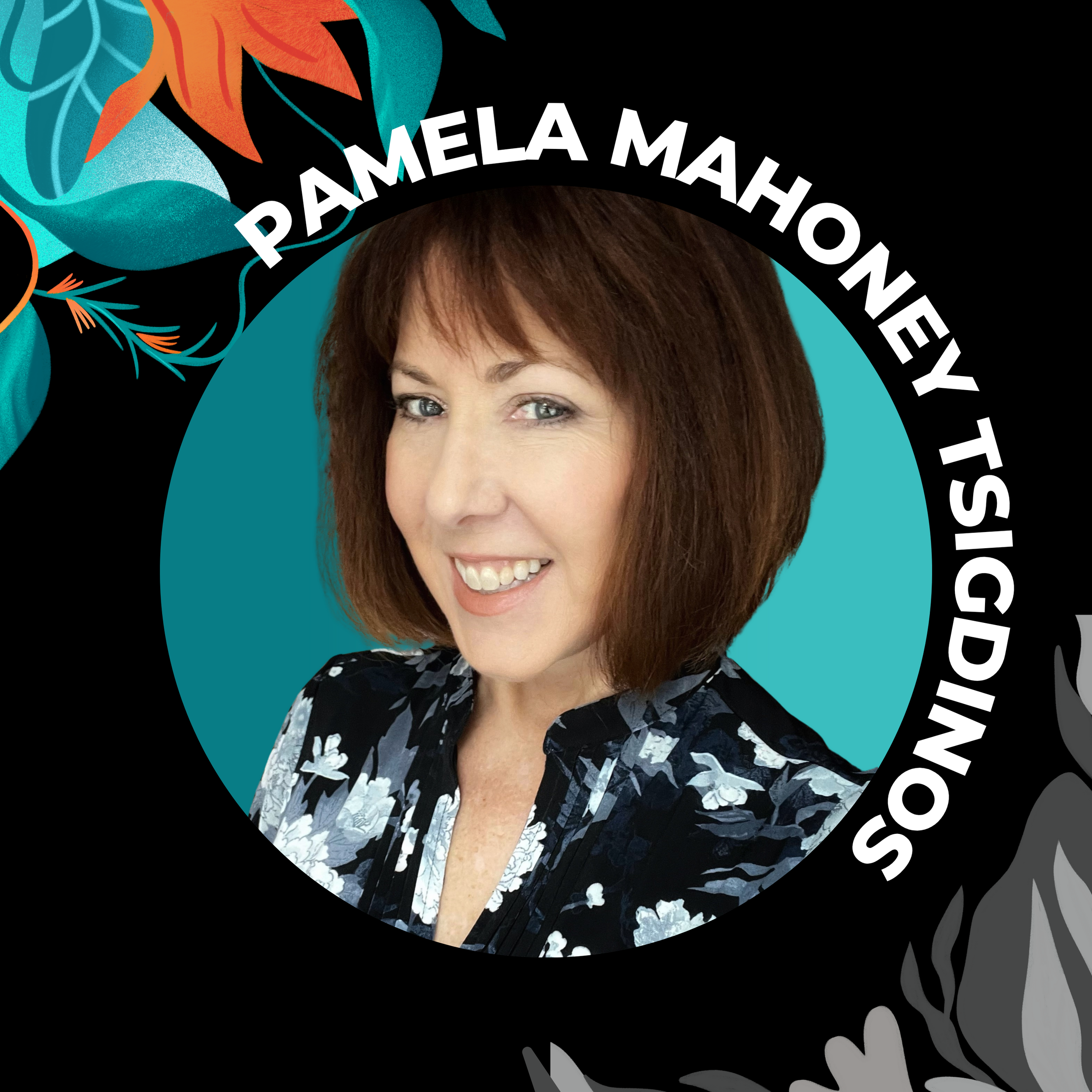
Definitely. Yeah. We had another guest on our podcast, Pamela Tsigdinos, who spoke about the skyrocketing increase in the fertility industry and what a multi-billion dollar industry it has become. And while it can be seen in some ways as an empowerment technology that allows women to delay childbirth or be able to have children later in life, the persistent value among the fertility industry and for the patriarchal countries that have more and more adopted this technology is still this notion that womanhood is equal to motherhood and that even if you become a career woman and even if you become really educated, eventually you're going to want to have children. The idea that women do not want to have children is just simply not on the table. So all sorts of patriarchal and technological incentives are now being adopted in a lot of these countries. And I think Japan also sees the same kind of marriage between the state and the fertility industry.
(26:17):
There's kind of this alliance where fertility education is more and more entering into schools. And it's these fertility industry marketers who are going and presenting to students and young girls about their fertility cycles and why motherhood is still important no matter how educated you become. So yeah, I think it's fascinating that IVF has become such a huge part of the culture, and yet the fertility rate is not really going up. So there's something larger going on in culture that the governments are not willing to acknowledge, which is, as you said, the refusal on behalf of a lot of women to engage in practices that lead to their oppression.
Alan Ware (27:05):
You've mentioned somewhat the 4B movement, which you've looked at in depth in your reporting and the growth of that over the past 10 years or so. Why don't we get more deep into the discussion of the 4B movement, what it is, how prevalent it is, how it's changed over time.
JiHye Jeong (27:24):
The 4B movement refers to rejecting four forms of heterosexual intimacy with men, which are dating, sex, marriage, and childbirth. It can also be understood as a way for individual women to resist being absorbed into patriarchy at the most fundamental level. And in most developed societies, patriarchy is still the default structure to some extent, because there are very few places where women are truly free from it. That is what makes the 4B movement such a paradoxical form of social movement. It tries to achieve its goal, not by doing something, but by refusing to do something. So in a world where women are already expected to participate in patriarchy as a matter of course, opting out becomes a radical act. But for that same reason, the movement is often dismissed as merely a set of personal choices with critics saying it cannot really count as a social movement, but I think that is a very shallow view because it fails to grasp how deeply entrenched and enduring patriarchy still is.
(28:36):
And because 4B is a movement, people participate by not doing certain things, it is always difficult to answer the question of how many women are actually involved and in a society like South Korea where the demonization of feminism has been quite successful, it is becoming harder and harder to raise this issue openly. And the 4B movement is generally believed to have emerged after the feminism reboot, especially within more radical online women's communities, and it has usually been discussed anonymously in digital spaces. What is striking though is that in recent years, it has started attracting interest from abroad. The foreign feminists have discussed it on platforms like TikTok, and there have been more interview requests from outside Korea as well. I think one reason for that is the sharp rise in references to 4B in the United States after Donald Trump was elected for a second time, backed by manosphere influencers and anti-feminist sentiment.
(29:42):
So back then, abortion rights were one of the major issues in that election, and anti-feminist men were even mocking the feminist slogan, "My body, my choice," by saying, "Your body by choice." So a lot of angry American women began arguing that they should import and practice Korea's 4B model. In Korea itself though, this kind of attention is almost unimaginable. It is not just that 4B is controversial. It is often treated as if it's not even a concept that can legitimately exist. So these women cannot be acknowledged. And so of course there's even less willingness to give them a platform. So it is hard to find a statistic that directly measure how many 4B women there are, but there are indirect signs of its influence, the volume of online discussion, the declining rate of heterosexual dating and marriage among younger women and South Korea's extremely low birth rate, of course.
(30:46):
At the same time, visibility around 4B is slowly growing both online and offline. And I want to introduce the event at the end of last year, the first ever non-marriage fair held in Korea. It borrowed the format of a wedding fair, but it was aimed at women thinking about lives without marriage or childbirth. So it was the first large scale offline event where women gathered around the theme of non-marriage. So there was a lot of curiosity about how many would actually come. But in the end, around 2000 people attended for one day event and it was a major success. There were exhibitions, lectures and booths that encouraged women to think actively and independently about life without marriage, not as social failures or misfits, but as women building another kind of full and meaningful life. The response was strong so that for this year's second event, many people were already asking for a much larger venue and everything. So non-marriage and non-childbirth are not exactly the same thing, but it is clear that more and more women are choosing not to follow the traditional female life path, I guess.
Nandita Bajaj (32:02):
That's really encouraging that something like this was allowed to happen and that in the following year, the demand was even stronger given how difficult it is to publicly voice some of these desires and concerns and there's risk of backlash and even violence. And building off of this one issue that has drawn major attention in South Korea and helped build support for the 4B movement is the secret recording or filming of women without their consent. Could you explain how these covert recordings happen and how they become such a flashpoint in Korean society?
JiHye Jeong (32:42):
So the spy camp secret filming, it has a very long history. And there are even old fox stories from before the age of computers and the internet about people peeping through paper doors to watch a newlywed couple on their wedding night and thought that it's kind of funny talking about something like that. But in the modern era, of course, technology has simply made that kind of violation much easier. And in a society where women have long been judged, not only in general, but especially in relation to anything sexual, women who were victimized often found themselves unable to speak out or seek punishment for the men who harmed them. Instead, they were blamed and shamed. In a country, as technologically advanced, as South Korea, hidden camera footage, including secretly recorded sexual images and spy cam videos filmed in places like toilets and changing rooms spread very quickly through online file sharing platforms.
(33:50):
This became especially severe with the spread of the internet from the 2000s onwards. And it was not until around 2018 when the women organized the large scale protest movement called Uncomfortable Courage and chanted slogans like, "My Life is Not Your Porn" that the issue really began to be treated as a major social problem. And even so there is still a widespread sense that the state does not treat this issue with the seriousness it deserves. In the 2020s, alone, there have been repeated scandals, including the Nth room case on Telegram, where young and vulnerable women and girls were blackmailed into producing sexual exploitation material that was then sold and distributed and the large scale spread of the fake pornography made using images of women known to their perpetuators. It also came to light that some of the owners of web platforms hosting illegal materials were effectively part of the same cartel as so-called digital undertaker companies that made money by offering to remove that material.
(35:05):
So even when women paid to have illegal footage taken down, it could be re-uploaded almost immediately by another part of the same business structure. So these sites and male-dominated online communities were also full of advertisement for other illegal industries, including gambling and prostitution. So this has become a huge industry in its own right. Some people even suspect that powerful political figures may be connected to the top of that structure because so much money is involved. In other words, the system has become very difficult to dismantle or eradicate. For women, this has created an everyday sense of fear, and many now live with a constant possibility that the men they are dating or have been intimate with could secretly record sensitive images or videos of them. That fear has become so normalized that many women feel they have no choice but to develop their own instinctive strategies of self-protection.
(36:14):
If the police and the state had shown a clear willingness to punish these crimes seriously, the situation might not have reached this point, but because even that hope has largely disappeared, many women feel that personal self-defense is the only option left. And the deeper problem is that in male-centered investigations and court rulings, the harm done to women is still not fully understood or taken seriously. And meanwhile, men's actions are often dismissed as something like a youthful mistake or the result of being too attracted to women, et cetera, and they end up receiving very light punishment.
Nandita Bajaj (36:59):
Wow. I mean, what you're saying about the government officials and really powerful men being complicit in these sexual violations against women, but we don't have to look too far in the West. In the US, the Epstein files are a very good example of how this is really rampant everywhere, but it's the ability to hide this information by powerful men, including highly respected intellectuals that will often write or speak about gender equality and empowerment who have abused their privilege and with the expectation like you're noticing that they can carry on without real fear of punishment, making the victims even less likely to come forward and report these violations, which continues to then keep patriarchy alive.
Alan Ware (37:54):
And we also learned an element of that patriarchy is that extreme beauty standards often placed on women in South Korea to spend a lot of energy and money to maintain that over time. And there grew up the escape the corset movement around 2018 in response to that. And in addition to those beauty standards, there's also kind of an expectation that young Korean women will act immurely and kind of submissively in different ways. How do those expectations of appearance and feminine behavior contribute into this general sense of gender inequality, gender unfairness?
JiHye Jeong (38:32):
In South Korea, there is an ideal image of womanhood, both inwardly and outwardly, and it is still centered on whether a woman fits into the patriarchal order and serves men in some way. As women internalize that standard, they end up thinking far too much about what kind of women men like and trying to shape themselves around that. So unless they go through a feminist awakening and consciously begin to question it, they are likely to grow up treating those values as natural and normal. So that is the kind of society Korea still is. The escape the corset movement carries a clear refusal of the practices that demand excessive time, money, and energy from women while actually harming their survival and development. So in simple terms, it means refusing to spend so much effort on things like makeup or dieting, and instead using that time and energy to build your skills and secure economic independence.
(39:41):
So escape the corset that is not only about appearance, it also means rejecting the forms of femininity that society expects women to perform internally. So among feminist in Korea, there has been a lot of discussion about how inner escape the course is just as important as the outward one. And these standards imposed on women form the basis of a discriminatory reality. What happens when women are pushed to obsess over appearance and adopt so-called feminine behavior? So in the end, they are being guided toward the kind of women that male-dominated society wants. But in practical terms, that often pulls them further away from gaining capital, power, and social success in the real world. It becomes a system that encourages women to spend more of their energy, not on strengthening their position, but on avoiding threatening men's status and trying to be desirable in men's eyes that in return reinforces gender inequality.
(40:49):
So in Korea, women's participation in higher education is very high. And as more women try to expand their place in society through strong academic performance and professional achievement, there has also been a growing effort from men to hold that back. So a growing number of women are rejecting both the inner and outer corset and trying to compete with men on equal terms. And that is a change male-centered society finds deeply uncomfortable, I think. At the same time, more women are clearly seeing through the social construction of femininity and stepping away from that path altogether. And I think that has become one of the main reasons why anti-feminist feeling has grown so strong among the rest of society. So for everyone except these women, the patriarchal social order has long felt familiar, normal, and desirable, and they want to preserve it.
Nandita Bajaj (41:49):
Yeah. I mean, from what you're saying with the escape the corset movement where women are doing their part in rejecting both the inner and outer femininity and rejecting this expectation that you have to be and look and act a certain way, they are still caught between a rock and a hard place because if the society they're in refuses to acknowledge their existence or value them, as you're saying is happening, they start to lose their social status. So do you see kind of any way out of this really difficult, paradoxical situation where so many women are recognizing that the society is built on their oppression and they're starting to fight back against that oppression, but there don't seem to be that many allies. How do you see that playing out going forward?
JiHye Jeong (42:53):
Yeah, they know it is very dire situation, very dystopian, because it is so clear that they are isolated. I think much younger women than me, those generations are thinking about their situation a lot. And one way of dealing with this situation from that generation is they try to form a political party on their own, like women-only party. It is really difficult for them alone to navigate and try to penetrate into the mainstream society. And I know that because I'm part of the mainstream kind of system because I'm in the major news outlet, so I know how kind of unrealistic it can be, but at the same time, they have no faith or trust in existing power or someone already have power because those are the people who just want to change them, not to listen to their stories and reflect their wills and opinions. So they just think that we're not going to talk to them. It's no use.
Nandita Bajaj (44:08):
And I think the Western media has been totally complicit in perpetuating this because all we ever hear about South Korea in our media outlets is about how low the birth rate in South Korea is, and what can we do to raise it, including financial incentives and daycare and education incentives and all of that. But no one really here in large part is talking about the extreme oppression of girls and women that is leading to this kind of situation and how to overthrow that kind of patriarchal norms rather than just sugarcoating the issue with financial incentives. And we don't know what would happen if we actually achieved gender equality. We might want to be in relationships and have children and form families in non-traditional ways, but that's not even on the table. That's the issue.
JiHye Jeong (45:12):
I mean, it is so interesting to hear every media in every country saying that this is a demographic crisis, but when I talk to this topic with other women, no women is actually seeing it as a crisis. They are all kind of surprised that it is crisis to whom they are asking that. So it's only about male centered society's view that's not reflecting the women's side.
Nandita Bajaj (45:44):
And how is the fertility reality being reported in South Korea and also how is the 4B movement being reported and what kind of biases are embodied in that kind of reporting?
JiHye Jeong (45:59):
So yeah, for well over a decade, the discourse around low birth rates and demographic crisis has been treated as a major issue in the media. But in the Korean press, this population crisis usually framed through issues like extreme competition among young people, economic insecurity, high private education costs, and long working hours. They are all right, but in other words, the domino narrative is that young people cannot afford to have children even if they want to, because they cannot find stable jobs or earn enough money, but in fact, that is a very male-centered perspective. And under patriarchy, men are still expected to be breadwinners who earn enough to have a household and provide financial stability. So this narrative is really expressing male anxiety, that it has become harder for them to fulfill that role and build a family. For women though, the more fundamental issue is often not just money, it is the fear that marriage and childbirth will derail their lives and destroy the work and stability they have built for themselves.
(47:15):
But that side of the story is often overlooked in both media coverage and political discussion. In fact, as more women have entered higher education and the workforce, there has also been a growing resentment toward women's economic independence with some people suggesting that women's social advancement has made it harder for men to find jobs and become household heads. And when the media covers women who do not give birth, it almost always portrays them as women who just desperately want children, but are unable to have them for various reasons. And the idea that some women simply do not want children in the first place is rarely acknowledged. And that is one reason the 4B movement is almost never taken up as a serious agenda in mainstream media, especially in the major outlet. And a woman who does not want marriage, childbirth, or even a male partner is treated in a Korean society almost like an alien or a herotic.
(48:17):
And the media seems to think that even giving such women visibility might influence other women who are still seen as so-called desirable or normal by Korean society. So the favored choice is to deny them a platform altogether. And this is not dramatically different even in media that are considered progressive, and that's another interesting part. Some people even argue that because Korea as a whole remains so conservative, what passes as progressive here is still far less progressive than what that word would imply in many Western contexts. So even progressive media and progressive political parties do not take a particularly critical stance towards patriarchy itself. So issues like the 4B movement are simply never adopted as part of the agenda. And one last thing I want to say is there is a thing that the real power of the media lies not only in what it covers, but in what it chooses not to cover, I think that explains very well how political that silence can be. And to me, this deliberate and thorough indifference toward 4B women is one of the clearest expressions of the mood of mainstream Korean society.
Alan Ware (49:36):
Yes. I thought it was interesting. There was a Carnegie study that actually provided men and women with more information about how unequal South Korea was, and that drove the young women to be more radical or kind of awakened to, "Oh my gosh, we need to do something." The men didn't change much on that to the extent they learn more information. And this is happening actually in a lot of countries, Germany, the US, other countries, women are moving more to the left, moving more towards equality. Probably as women's education and career expectations have risen, they're insisting on claiming their power to change societies in ways they think it should be changed. We are also thinking, since this podcast is called OVERSHOOT, it's interesting that probably the Korean media does not mention a fact from the Global Footprint Network that measures countries overshoot in terms of the renewable resources they use versus how much their land can support that South Korea is consuming nine times what the land mass of South Korea can provide.
(50:44):
So it actually already has a very high population density. It's one of the more dense populations in the world. The population is 32 million in 1970 and now it's 51 million. It's more dense than India, which is often seen as quite well populated. So I'm sure that's not mentioned in the media, is it?
JiHye Jeong (51:08):
Never. And a lot of women are actually saying that maybe it's nothing to do with the babies itself. It's more about giving the status of patriarch to young men. Maybe that's the point. So they want these men to have a wife. Every man has a wife so that the state doesn't have to pay too much attention about the impulsiveness of the young men and the older social care they have to provide.
Nandita Bajaj (51:38):
Also, what you just said about the social care that is built in within the family structure with women being at the center of that unpaid care role. And so they are not just responsible for bringing up the children and caring for the husbands, but they're also this unpaid, unrecognized caregivers to the elderly, because I think South Korea has one of the worst systems for elderly care. So I think despite the density, which sounds like a lot of women don't seem to think there's a problem with birthright crisis, it also sounds like it's a crisis of decline in caregiving because if the government can just rely on women to continue to hold these roles, then they don't have to change anything in their system to provide social safety nets for everyone, the elderly included. And I think South Korea is probably one of the countries that has spent the most amount of money, hundreds of billions of dollars on pronatalist campaigns, and it's of course not working.
(52:47):
It's not working anywhere, not just in South Korea because the heart of the matter is not money. It's the patriarchal structure within which a lot of women don't want to participate. And so I would argue that a lot of that money could very well be redirected to social security and pensions and elderly care, but that requires rejecting the current paradigm of patriarchy. And yeah, I wonder what you're seeing with respect to the elderly care crisis with the decline in birth rates there. And what kind of things is the government doing about that?
JiHye Jeong (53:30):
I don't think many supports are there. And already we have too many elderly people in population wise, so it is a huge problem like the elderly people's poor status because they take the large part of the population. When we do the election, the campaign leans towards to more like conservative side because they want to get more votes from the elderly people. And of course, those people are really concerned about young women not having babies and also people in middle ages also they are worried about the pension and everything.
Alan Ware (54:17):
And you're in the process of producing a documentary film of interviews with women that's called The No Birth Generation. What are some of the themes or patterns that you're seeing emerging from the interviews with these women?
JiHye Jeong (54:31):
So the film is a feature length documentary titled The No Birth Generation, and it is now in the final stages of production. The women I interviewed came from very different backgrounds, but what they had in common was a strong determination not to live the kind of life that a patriarchal society expects women to live. There was a very strong sense of anger and resistance toward an existing social order that does not truly recognize women's rights to choose their own path. And many of them saw pronatalist policies, especially policies that offer money in exchange for having children as deeply insulting. And that kind of awareness was much harder to find in earlier generations, I think. And the difference comes down to whether women can imagine a life outside patriarchy. So if you cannot imagine that kind of life, then you assume you will have children anyway and support for childbirth may seem positive, but once you can imagine another way of living, you begin to see that these policies are actually degrading because they recognize women only as reproductive subject.
(55:49):
So one interview in the film said the 4B movement began from a growing awareness that heterosexuality, which had long been presented as something beautiful and natural, could in fact wound women very deeply. So she said more and more women were realizing that coupling with the men, having a child and living that kind of life could become a path towards losing themselves. In that sense, she saw 4B as a movement closely tied to survival. And another woman said she had come to understand that in patriarchy, as long as a woman is tied to a men, she is treated as a resource. So she felt that she had to break that connection in order to protect herself. Another interviewee said she had spent her life trying to stay on two tracks at once, so being socially successful while also being the kind of woman desired by men, and that it was exhausting.
(56:51):
So when she finally stepped off that track for the first time in her life, she felt genuinely free and happy. And one successful businesswoman told us that her life now feels stable, peaceful, and secure, and that she has no desire to introduce any risk into that foundation. For her marriage and childbirth felt like things that could destabilize a life she had worked very hard to build. So I think these kinds of feelings are no longer unusual at all among women in their 20s and younger today.
Nandita Bajaj (57:27):
And you said this is the first feature length documentary on the subject that portrays the 4B movement in a positive light, rather than coming from an anti-feminist perspective, which is quite prevalent. So congratulations on bringing this movement, so much power and publicity, and also I'm sure a high degree of emboldenment for what might seem to so many women who are quietly practicing 4B, that they are unseen and invisible subjects in a deeply patriarchal society. So we are so deeply grateful that you are doing that for them, for the movement, and for, I think, just women everywhere who are deeply inspired by this kind of sentiment, not a refusal to engage in loving partnerships and companionships and communities, but a refusal to engage in patriarchal system that relies on women's oppression. And we just want to express our solidarity with all of the people who are fighting for this. And we feel honored to be able to bring voice to your work and we can't wait to see the film and bring it more awareness. We're so grateful for your work. Thank you so much.
Alan Ware (59:02):
Thank you.
JiHye Jeong (59:03):
Thank you for having me.
Alan Ware (59:05):
That's all for this edition of OVERSHOOT. Visit populationbalance.org to learn more. To share feedback or guest recommendations write to us using the contact forum on our site or by emailing us at podcast@populationbalance.org. If you enjoyed this podcast, please rate us on your favorite podcast platform and share it widely. We couldn't do this work without the support of listeners like you and hope that you will consider a one-time or a recurring donation.
Nandita Bajaj (59:32):
Until next time, I'm Nandita Bajaj, thanking you for your interest in our work and for helping to advance our vision of shrinking toward abundance.