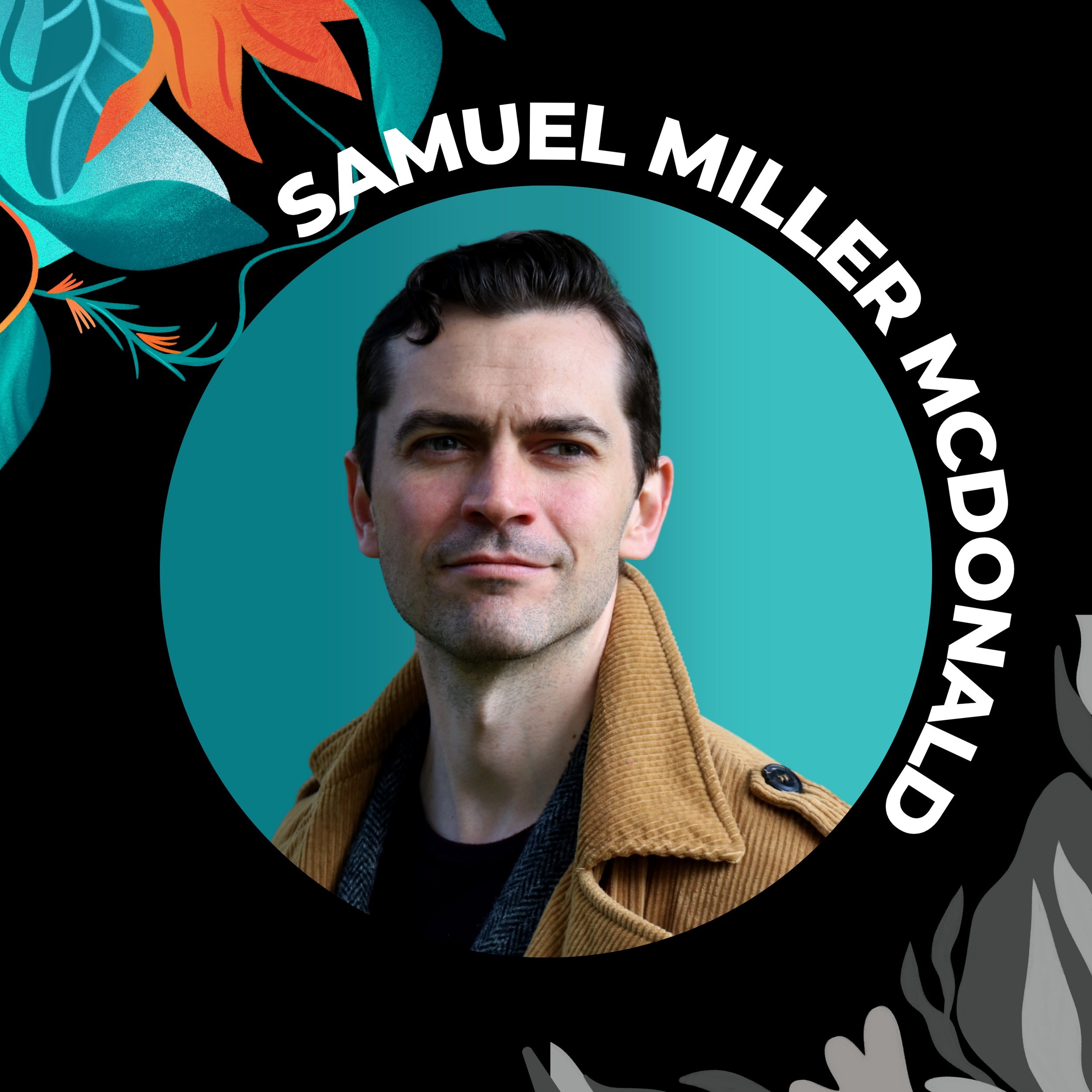





We need an “abundance agenda” for nature. Ben Goldfarb, environmental journalist and author, challenges the techno-fix growth agenda that delivers an abundance of concrete and condos and a scarcity of wildness and wildlife. He urges us to replace extinction-prevention minimalism with a bolder commitment to restoring the abundance of keystone species, thriving ecosystems, and the freedom of wildlife to roam, migrate, and flourish. Highlights include:
Why the so-called "abundance agenda" and its proposed weakening of environmental laws creates an abundance of concrete and a scarcity of nature;
How the renewable energy abundance of solar and wind farms, and AI data centers, spells even greater destruction of wildlife habitat;
How 40 million miles of global roads devastate ecosystems through roadkill, noise, and pollution - and why electric vehicles aren't the solution;
Why the "development agenda", including the building of highways and induced demand for transportation, have been used as tools to subjugate the most marginalized human communities;
Why the first rule of environmentally sound road building is asking whether a new road is needed at all;
Why true abundance for wildlife depends on their ability to roam and migrate long distances, as shown by the Yellowstone-to-Yukon corridor;
How beavers generate extraordinary ecological benefits for both wildlife and humans;
Why restoring keystone species such as beavers, salmon, prairie dogs, and sea otters creates nature abundance by rebuilding biodiverse ecosystems;
Why fish and marine creatures are undervalued and how their beauty and ecological importance emerge when we pay closer attention.
MENTIONED IN THIS EPISODE:
Book: Crossings: How Road Ecology Is Shaping the Future of Our Planet by Ben Goldfarb
Book: Eager: The Surprising, Secret Life of Beavers and Why They Matter by Ben Goldfarb
Article: Confessions of a Recovering Environmentalist by Paul Kingsnorth
Book: The War Below: Lithium, Copper, and the Global Battle to Power Our Lives by Ernest Scheyder
-
Ben Goldfarb (00:00):
One of my frustrations with Abundance, the book and the agenda is what I think is the very naive notion that abundance is going to inexorably lead to conservation. In fact, I think it's probably the opposite unless we take very deliberate measures to embed conservation into the concept of abundance. We know thanks to unfortunately hundreds of years of industrial human history that if you don't deliberately attempt to conserve nature, you destroy it. And it's easy to imagine the abundance agenda being turned to an abundance of highways.
Alan Ware (00:36):
That was environmental journalist and author Ben Goldfarb. In this episode of OVERSHOOT, we'll talk with Ben about his wide-ranging writing on the devastating impacts of human domination on wildlife and ecosystems, and why we need an abundance agenda for nature.
Nandita Bajaj (01:00):
Welcome to OVERSHOOT, where we tackle today's interlocking social and ecological crises driven by humanity's excessive population and consumption. On this podcast, we explore needed narrative, behavioral, and system for recreating human life in balance with all life on Earth. I'm Nandita Bajaj, co-host of the podcast and executive director of Population Balance.
Alan Ware (01:24):
I'm Alan Ware, co-host of the podcast and researcher with Population Balance. With expert guests covering a range of topics we examine the forces underlying overshoot - the patriarchal pronatalism that fuels overpopulation, the growth-obsessed economic systems that drive consumerism and social injustice, and the dominant worldview of human supremacy that subjugates animals and nature. Our vision of shrinking toward abundance inspires us to seek pathways of transformation that go beyond technological fixes toward a new humanity that honors our interconnectedness with all of life. And now on to today's guest.
(02:02):
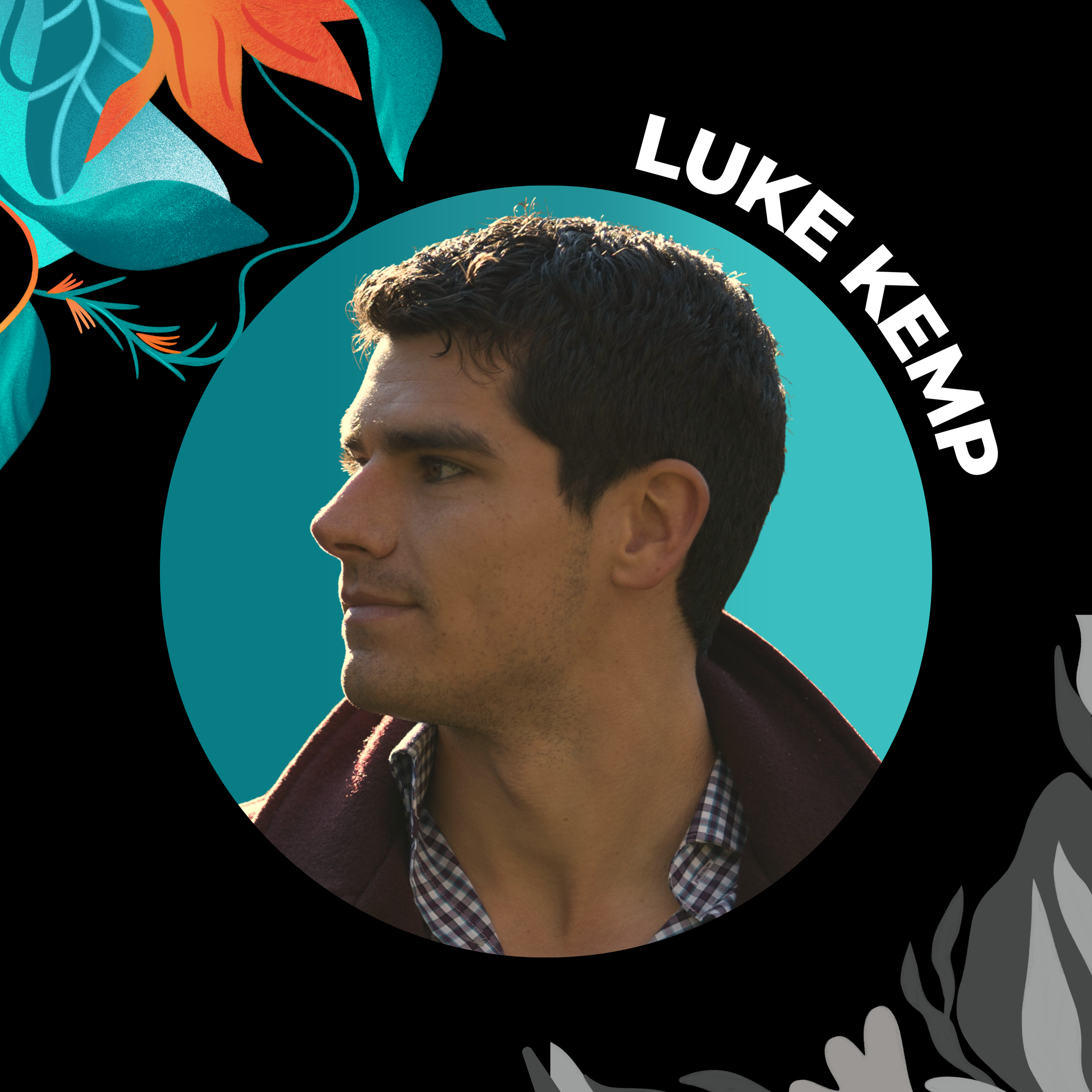
Ben Goldfarb is an environmental journalist who's writing has appeared in National Geographic, The Atlantic, Smithsonian Magazine, and many other publications. He's the author of Crossings: How Road Ecology is Shaping the Future of Our Planet, named one of the best books of 2023 by the New York Times and winner of the Sierra Club's Rachel Carson Award for Excellence in Environmental Writing. His previous book, Eager: The Surprising Secret Life of Beavers and Why They Matter received the PEN/E.O. Wilson Literary Science Writing Award. His work has been anthologized in The Best American Science and Nature Writing and has been supported by grants from the Alicia Patterson Foundation and the Whiting Foundation. And now on to today's interview.
Nandita Bajaj (02:46):
Hi Ben. It's great to have you here on the podcast. Thank you so much for joining us today.
Ben Goldfarb (02:51):
Thank you Nandita and Alan for having me. I'm happy to be here.
Nandita Bajaj (02:54):
And Ben, your books and many magazine articles reveal the often hidden layers of human's ever expanding ecological footprint and how the human colonization of the entire globe has led to the annihilation of so many animals and their ecosystems. You've captured this in great detail in your books, Eager: The Surprising Secret Life of Beavers and Why They Matter, and Crossings: How Road Ecology is Shaping the Future of Our Planet. And we are excited about exploring both of these books, but we'd like to start with your recent essay, An Abundance of Concrete, that caught our attention. The essay challenges the so-called abundance agenda advanced by journalists Ezra Klein of the New York Times and Derek Thompson of The Atlantic. In their recent book Abundance, as you note in your essay, there are many types of critique of the so-called abundance agenda. One of the most popular critiques from the left of the political spectrum concerns the issue of power and who benefits most from abundance within this capitalist system.
(04:05):
But you refer to your critique as the nature critique. As you note in your essay, quote, Klein and Thompson broadly framed their book around this question, what is scarce that should be abundant to their minds? Those absences include housing, clean energy, and scientific innovation, which they argue are largely constrained by pesky laws and regulations imposed by well-meaning liberals. In my own naive biophilic little brain though the word scarcity primarily conjures the wild critters that our planet is hemorrhaging, end of quote. That's a great quote in a really well-written essay. Can you expand on the ecological ignorance that you see present throughout the abundance agenda?
Ben Goldfarb (04:54):
Certainly, and I think granting Ezra Klein and Derek Thompson the benefit of the doubt, I don't think that they are necessarily actively hostile to biodiversity. I think if you asked Ezra Klein, do you want more salmon and bison and beavers and songbirds, he would say, sure. My critique is that it's not explicitly built into the abundance agenda. And we know thanks to unfortunately hundreds of years of industrial human history that if you don't deliberately attempt to conserve nature, you destroy it. And you see that, for example, with the housing abundance argument, which occupies a lot of that book. They talk about the need for more housing and okay, that's fine, but if you allow the status quo of the housing market to continue, where does that housing get built? It gets built in wildlife habitat. Certainly here in Colorado where I live, that's already happening where all of these ranches are basically being turned into subdivisions and condos and townhouses at the expense of elk and pronghorn and mule deer and other animals. And so I think that's my frustration with the book. It's not the word abundance per se. It's what I think is the very naive notion that abundance is going to inexorably lead to conservation. In fact, I think it's probably the opposite unless we take very deliberate measures to embed conservation into the concept of abundance.
Nandita Bajaj (06:22):
Right. And you've talked at length also about their obsession with more techno-solutions. You've called them decarbonization bros, whose kind of narrow version of environmentalism as you spoke about, has a lot to say about solar farms and transmission lines and even nuclear reactors, but very little to say about these incredible species and what happens when the continued industrial development of the human activity continues to impinge on the habitats of these species. So some of the techno-solutionism, we also see that it carries kind of the same fatal flaws of a lot of the other tech solutions. It's tethered to this growth imperative where it's all about optimizing production and returns, but nature is always seen as a resource that they want to control rather than allowing nature to abundantly on its own rewild. I wonder if you can speak a little bit more to the ignorance on their part to relying so heavily on a certain type of tech innovation.
Ben Goldfarb (07:34):
I mean, this is more than a decade ago now probably, but there's a great Paul Kingsnorth essay in Orion that maybe you're familiar with, where he describes seeing the march of wind turbines across the UK and basically says that the new environmentalism is exactly the old industrial march of progress with the carbon taken out. That does kind of get at it nicely. I mean, look, I'm not necessarily opposed to techno-fixes blankly. I think there's some good techno-fixes out there, but coming at it from the perspective of caring about wildlife and conservation, I mean the solutions for keeping wildlife on the landscape are mind-blowingly simple, right? I mean, what do wild animals need? They need space. They need protected land, or at least land that's not overrun with industrial uses, even if it's not explicitly protected. So I mean, certainly we know that there are forms of renewable energy like rooftop solar that we need an enormous amount of.
(08:32):
And so I'm not inherently opposed to energy abundance, for example, if it comes in the right way. But I do think there's also a risk of replicating, again, hundreds of years of industrial history where we basically turn a lot of really great wildlife habitat into wind and solar farms. And I think that's one of my frustrations with abundance, the book and the agenda, is that it really casts the people who are fighting that industrial development as the enemy. I mean, who is the primary antagonist or adversary in abundance? It's not fossil fuel companies, right? It's environmentalists, or at least they're one of the adversaries of the antagonists that Klein and Thompson talk about. It's all of the irritating environmental attorneys for conservation groups who have basically unfairly saddled us with NEPA and the ESA and the Clean Water Act and all of these annoying environmental laws. I mean, those environmental laws of course, are the only reason that our country isn't completely paved over now. So I think that's really my primary frustration with the book ultimately is that it casts the conservation community broadly as an adversary and coming from the left that hurts.
Alan Ware (09:44):
And also as an adversary that's trying to address problems from the past. We have new problems, we don't have enough housing, we don't have enough energy. Those environmental problems are old problems that we've pretty much solved. And as you make clear, you say, I still want a liberalism that protects the Endangered Species Act and the National Environmental Policy Act to put a stop to create limits to construction. And all of the, as you've seen the ranches turn into mansions out west, and you have people like Matthew Iglesias and other abundists that you mention who's advocating for 1 billion Americans. And there's quite a strong pronatalism on this side too, advocating for just more humans overall. And it's a limited perspective of not seeing the need for limits, the need for restraint, that that need will not go away.
Ben Goldfarb (10:34):
I think it's an approach that's so blunt, right? That's another thing that drives me crazy about that book is that it talks a lot about the need for more housing. I think that's certainly obviously a need that I think most folks on the left can get behind and are incredibly passionate about. The problem is that they don't actually say anything in the book about how to ensure that that housing goes to the people who need it, and it is affordable housing. They just talk about obstacles to construction. That's basically it. And maybe part of the issue is regional, right? They're coastal folks who live in cities, but I'm living out here in rural Colorado where if you built a lot more housing that sprawled into what is currently pretty undeveloped land, it wouldn't magically become affordable housing. It would basically be bought up by folks from Houston and Denver using it as rental or vacation properties. And so that lack of sensitivity to where the housing is and who gets to live in it is another thing that I just thought was missing from their book and the way to talk about the issue generally.
Nandita Bajaj (11:42):
Yeah, and you talked about the lack of focus on initiatives like wealth redistribution and also who ends up owning this land that they keep capturing. And I thought it was curious that one of the biggest funders of this abundance agenda, Open Philanthropy, which works very closely with Open AI, run by some of the most powerful Silicon Valley billionaires, they recently announced $120 million over the next three years toward the abundance and growth fund, one of the projects of which is exactly the kinds of things laid out in the Abundance book. So to your point, these are the same folks who benefit the most from this kind of unplanned abundance and a very specific type of abundance, not the kind of ecological abundance that you and we are advocating.
Ben Goldfarb (12:40):
Yeah, I think you're right. I mean, it's funny right now I'm writing a book about fish and about fish movement as this kind of keystone ecological and cultural process that we've destroyed in a million ways and are now trying to protect and restore and understand. And fish are sort of like the ultimate symbols of natural abundance in a lot of ways. Of course, you read these incredible indigenous accounts or early explorers' accounts of being able to walk across the backs of salmon or herring or what have you in any river in the United States, and now we're at less than 1% of many of those migratory fish populations. And so I think about the thing that is rare, that should be abundant, I think primarily about fish because that's where my brain is right now. And when you mention the push to dramatically expand AI, I mean that's one of the forces that most troubles me about the future of my own personal aquatic abundance agenda because of course, all of those data centers are incredibly thirsty and they're incredibly energy intensive, and there's lots of talk about new hydroelectric dams even necessary to power the new data centers. And so there are so many ways in which the technological abundance agenda bumps up against the natural abundance agenda.
Alan Ware (13:56):
Well, you certainly mentioned in your most recent book, Crossings, that we have an abundance of roads around the world to move ourselves and all the materials we consume. You mentioned that we have 40 million miles of roads throughout the world, and there are effects of those roads on so many different species and ecosystems that you chronicle very nicely in that book. Could you give us an overview of some of the primary problems roads create for different species and ecosystems?
Ben Goldfarb (14:26):
Yeah, certainly. And let's talk about a thing that we have an abundance of, it's paved transportation. And it's easy to imagine the abundance agenda being turned to an abundance of highways. Why don't we just build a bunch more highways? That's a form of abundance. As for roads, the impacts that they have are vast, as I call them in my book. They're the roots R-O-U-T-E-S of all evil in the sense that every single environmental issue is in some ways a road issue, right? Before you can illegally log the Amazon, you need roads to get the machinery in and the logs out. Before you can poach an elephant, you have to be able to access the elephant via generally a road. Before you can drill for oil and gas, you need a road network. So in that sense, roads kind of facilitate all land use change and transformation.
(15:16):
They've got all of these direct impacts as well. Of course, roadkill, we've all seen the dead animal by the side of the highway. I mean, that's one of the primary ways in which we're limiting natural abundance is we're literally running animals over. And there are all kinds of rare and endangered species like ocelots and Florida panthers and tiger salamanders that are not abundant precisely because we've roaded their habitats to death. The noise pollution that comes from roads is another immense form of ecological change. A road is a really aversive stimulus to an animal, right? It's really loud, it's really bright. There are all of these confusing, terrifying metal objects zipping back and forth along it. I think that most animals, especially those large carnivores like bears and wolves and mountain lions, which tend to be pretty shy of humans, are they're using that wildlife crossing to get across the highway and then they're gone.
(16:10):
They're not hanging out by the roadside. They're trying to get away from that dangerous place as quickly as possible. And I think the fact that animals cross these terrifying roads at all tells you how dramatically we've constrained their worlds. If you're a mountain lion, the last thing you want to do is cross a road. The fact that mountain lions get hit by cars just tells you that, Hey, here's this animal with an enormous home range that has to cover a lot of ground to find food and mates and other resources. And unfortunately, covering a lot of ground is a really dangerous strategy when there are 4 million miles of road in your country. And so the fact that these animals are risking their lives in these dangerous situations at all, again, just tells you the incredibly dire positions that we've put them in, and then the chemical pollution associated with roads, the abundance of road salt that we spread on our highways as a de-icing agent that runs off into rivers and lakes and streams and changes ecosystems that way. So there are just this immense multifaceted labyrinth of ecological impacts that all stem from road construction and traffic and enough to justify a whole book apparently.
Alan Ware (17:27):
As you detail, it's kind of the circulatory system for all human activity. We put in a road to be able to do something. And I noticed Trump has okayed an arctic road through the National Wildlife Refuge, right?
Ben Goldfarb (17:41):
Yeah, Ambler Road, a huge immensely deleterious to arctic ecosystems and to caribou migrations into salmon and all kinds of critters. Caribou are incredibly sensitive to roads. They're very human-averse and shy animals who can really be disrupted very easily by a road. So that's certainly a project that people have been fighting for years and unfortunately seems to be moving forward right now.
Alan Ware (18:06):
And I read it was being justified as a way of staying ahead in the AI race with China to get the copper and cobalt.
Ben Goldfarb (18:12):
Well, yeah, that's it, exactly. I mean, there's another great guest on this show would be Ernest Scheyder, who's the author of The War Below, which is basically about the race for cobalt and lithium and copper and all of these metals that are critical to our green energy future, at least purportedly, and all of the more traditional environmental values like preservation and rare plants and animals that kind of stand in the way of this new mining boom that's occurring really across the planet. And certainly the Ambler Road is a perfect example of that, a road that's being built to facilitate mining.
Alan Ware (18:50):
And as you mentioned in the book, and as I've read in other places, the microplastics coming off of our tires was quite a revelation and how that was affecting what Coho salmon, is it, their reproduction?
Ben Goldfarb (19:02):
That's right. And this is something that scientists only figured out relatively recently, that tire particles that we shed millions of tons every year that erode from our tires. They contain 6PPD, this obscure chemical that nobody ever heard of. It's used as an ozone protection agent. And that chemical turns out to be lethal to coho salmon and probably lots of other fish as well. The salmon just happened to be the ones that have been studied and so decades of these mysterious salmon die-offs turn out to have been caused by this obscure chemical in tire particles. And that's actually an issue that may get worse in the sense that we know that electric vehicles because of their batteries are much heavier and their tires erode faster. And so that's a problem that could be exacerbated. And I think that's ultimately one of the ideas that I'm pushing back maybe implicitly against in this book, is the notion that the electrification of our vehicle fleet is going to save us.
(20:01):
I think that there's this idea that when we talk about the environmental impacts of transportation, we're talking about the carbon emissions from transportation. That's certainly like how the Biden administration would've thought about it given all of their goals revolving around the electrification of the vehicles. And that's fine. I mean, transportation does account for something like a quarter of our carbon emissions, so that's a significant problem. But you could electrify all of the cars on Earth and it wouldn't do any good for grizzly bears or snapping turtles or coho salmon or all of the other critters that are impacted in so many ways. It wouldn't help habitat fragmentation and a whole bunch of other values as well. So this notion that as Paul Kingsnorth, again, put it, you can just strip the carbon out and suddenly make transportation ecologically benign, I think that's a pretty dramatic myth and one of the myths that I'm writing against.
Nandita Bajaj (20:55):
And as you probably know a bit about our work, we advocate, I think as you are suggesting, a scaling back of human activity that has brought us into this state of overshoot, as evidenced in your book by the 40 million miles of roads globally. And this would have to include a reduction in the size of our economies, our growth-oriented production system, as well as our population through rights-based means. And in your book, you described several initiatives to providing access for animals to cross roads, which I think are fantastic measures, but I can also see some of these growthists that we've talked about they could co-opt those as ways to keep business as usual going, but could you share some of your favorite examples of these inventive approaches?
Ben Goldfarb (21:49):
Certainly, yeah. I think you raise a really important tension that is not a theoretical tension, that is a real issue, which is that can roads be greenwashed effectively? If you include wildlife, overpasses and underpasses in a new highway, well, can you justify its construction when it shouldn't otherwise be built? And that is a real risk. And I would say that the first rule of environmentally sound road building is not building roads at all and avoiding construction, particularly in those sensitive habitats that remain relatively intact. And this is really playing out right now, not in the US so much where most of our major highways were built 70 years ago, but in countries like Myanmar and Nepal and Kenya where infrastructure is being built out right now, very dramatically in some cases. And I think you could imagine this sort of hierarchy of approaches where basically you start by asking, do you need the road at all?
(22:51):
What function is this road going to serve? I don't want to be unilaterally anti-road. I mean, I use roads every day as we all do to get to grocery stores and hospitals and schools and the places that I like to hike and camp, right? There's lots of research basically showing that roads can lift people out of poverty. They can get children to schools and they can help farmers in rural areas and developing countries get their crops to market and allow for healthcare access. And so I don't want to say that no new road should ever be built. That would be sort of a wrong colonial approach in its own way. I think the first question is, is a road necessary? We know there are lots of redundant roads out there. We've got a lot more roads than we need to reach the places we need to get to.
(23:32):
So the first question is, do you need the road? The second question is where should the road go? If you are building a highway in Myanmar, and again, these are not theoretical questions, these are questions that are playing out right now. Do you need to that road through an important core habitat for elephants and tigers? Maybe not. Maybe you can route it around that core habitat. And those are questions that are answered through wildlife tracking and mapping and all of these scientific tools. So can you avoid the habitats that most need to remain intact? And then if the answer is essentially no, we're going to build this road and we're going to build it in a place that has important wildlife values that we care about, then you start to look at some of those mitigation measures that you alluded to Nandita, the wildlife overpasses and underpasses, these crossing structures accompanied by fencing that allow animals to safely move back and forth across these highways and continue their journeys.
(24:30):
And the risk that you, I think really rightly alluded to is that somebody says, Hey, we know that animals use these wildlife crossings. We know they work. Why not just build the road through the tiger habitat and put some wildlife crossings in and we're good, right? Call it a day. And unfortunately, there are cases in which I think that basically has happened. And to that, I would say again, there are all of these other environmental impacts that come with roads that those wildlife overpasses and underpasses don't really address, right? They don't prevent road noise pollution from impacting ecosystems. They don't prevent that tire particle problem we were talking about earlier. And so just thinking about that kind of hierarchy of approaches and making sure that we're not using mitigation to justify construction that shouldn't occur at all. I think that's an important way of thinking about this issue.
Nandita Bajaj (25:22):
Yeah, definitely. Along the same lines of questioning whether this development is necessary and how to come about these questions, in 2023 we were heartened to see the Welsh government passed a law that said, all future roads must pass strict criteria, which means they must not increase carbon emissions, not increase the number of cars on the road, not lead to higher speeds, higher emissions, or negatively impact the environment. And that's kind of resonating with what you're saying is asking some of these important questions of what is the purpose of these roads? And if they're absolutely necessary, can they be built in a way that mitigates some of the most harmful biodiversity habitat as well as environmental impacts? And you've of course similarly reported about the US Forest Service decommissioning thousands of miles of unused logging roads, allowing them to rewild. So we'd love to see more of this kind of approach that embraces limits. It uses technology in a positive way, kind of in an ethical way rather than this kind of pro-tech approach that's only about growthism.
Ben Goldfarb (26:34):
Absolutely. Yeah. I love that Welsh example too, and I'd love to see, of course, something similar in the US. I mean, one frequent justification for new road construction in the US that in my opinion, and I would say supported by the literature is totally backwards, is this notion of course, that we need to build new highways to alleviate traffic on our existing highways, which obviously gets us into the phenomenon of induced demand. If you build it, they will come. And there are so many case studies of this, of building or expanding highways to solve a traffic problem, and then that new highway immediately becomes cluttered by traffic, because if you incentivize more driving, people drive more. Another potential issue with EVs is that if you make it cheaper to drive, that will ultimately result in more cars on the road, and that probably means more roadkill and a greater barrier effect for wildlife trying to cross roads and so on. So I think that this notion that transportation and growth are inevitably coupled and that we need more road construction to facilitate more transportation, gets us to some pretty backwards and dark places like 20 lane freeways in Houston.
Nandita Bajaj (27:50):
Yeah, and we've recently had a few different podcast guests who've talked about this kind of quote unquote development agenda or progress agenda of you need this to be seen as progressed or developed. And I think transportation and the role that globalization has played in normalizing that induced demand in a lot of the countries has definitely been a big part of this kind of neocolonialist project of trying to homogenize every aspect of people's lives. And we've had some interesting conversations about how people are pushing back against some of these quote unquote development agendas from India and Mexico, and they're called ecological radical alternatives, where they're even questioning, as you are proposing, the need for these things, which sometimes can be couched as advancing social justice goals. But I think our political leaders and these growthist leaders have become very good at co-opting justice-centered language to then produce more demand for the same stuff, I think, which is kind of what we're seeing in the abundance agenda with the housing shortage argument. How much of that is actually going to support affordable housing? How much of it is arguing for progressive taxation, et cetera, and how much of it is just more building that can continue to line the pockets of some of the top elites?
Ben Goldfarb (29:23):
Yeah, that's a great point. And while I'm not familiar with the examples you cited in Mexico and India, I mean, I would say that certainly broadly the history of highway construction in the US has been a history of injustice. Obviously we know that historically, so many freeways during the construction of the interstate highway system were very deliberately weaponized as a tool to essentially pave over communities of color in cities like Syracuse and Minneapolis and Miami. I mean, name an American city and there was a highway used to push out a black or brown community at the behest of white city planners. And so in that sense, roads have always been these tools of injustice kind of deployed by colonial powers. Certainly you see that in places like Indonesia where the Dutch built road networks as a way of basically subjugating the populace, for example. And so thinking about how we can get out of that trap and not replicate those old patterns of road construction and environmental injustice moving forward is really important. I mean, there's a wonderful grassroots freeway fighting movement in the US - all of these folks in places like New Orleans and Cincinnati and Austin rising up both against existing highways that have continued to separate and segregate communities and fighting against proposals to mostly expand existing highways that would just again, replicate the same issues. And so yeah, can we get out of that ancient paradigm of roads as these tools of conquest and subjugation? I think that's such an important direction.
Alan Ware (31:05):
Yeah, I love in the book how you shared all these great technologies because we're not anti-tech, but this kind of tech of animal crossings, the over and underpasses and including things for grizzlies and cougars, but also turtles and other amphibians and smaller creatures would be wonderful if we could have an abundance of animal crossings for all the roads. But you also have written about a very ambitious kind of crossing of allowing migratory species to go from the Yellowstone to Yukon or the Y to Y corridor, which is a very social technology of cooperation, intergovernmental and interorganizational type of cooperation that's rarely ever done to allow large mammals mainly to migrate like grizzlies, wolves, and elk. And you've written about that at length in different articles. What makes that corridor so unique? What are some of the goals of that? What progress is being made and what kind of obstacles are they seeing?
Ben Goldfarb (32:04):
Yeah, it's a great question. I would say the first thing that makes it unique is just that it's one of the last relatively intact representations of what North American fauna used to be like. I think that's one of the mindsets that I'm always trying to push back against in my writing and this returns to an abundance of wildlife, is that animals are so restricted today in the places that they're capable of roaming. But of course, the northeast used to be full of wolves and cougars and all of these critters. There used to be grizzly bears out on the prairies. Now, there are these animals we think of as kind of confined to these mountain redoubts, but they used to be all over the western plains as well. And so in that sense, the first thing that makes that Yellowstone to Yukon corridor so special is that that's the place where that abundance of charismatic megafauna still exists.
(32:55):
It's kind of the last, best representation of our native ecosystems. And that's because it's relatively, again, relatively intact. It's not fragmented by as many roads as the eastern seaboard, for example. So you've got this relatively intact swath of land that still has all of these critters, which in many cases are increasingly endangered. And so we need to give them opportunities to safely move around the landscape. And that can mean a few different things because there are lots of different forces that basically prevent animals from safely navigating landscapes. In many cases, it means those wildlife crossings we were talking about earlier, so that animals that bump into the Trans-Canada Highway or I-90 in Montana are able to cross those roads safely. But there are also social barriers to animal movement, right? Let's say you're a grizzly bear wandering across a ranch in British Columbia, and the rancher has left out a bunch of his carcasses, his dead cattle or sheep, and you as a grizzly bear are attracted to those dead cattle and sheep. And so you end up eating a couple of live cattle and sheep along the way, and now you're getting shot as a result of that. So maybe there are opportunities to prevent those sorts of conflicts through very simple techno-fixes like electric fencing that prevent those large carnivores from running afoul of people. And lots of the organizations and landowners within this Yellowstone to Yukon framework are working on exactly those sorts of conflicts, those social conflicts, as well as infrastructural conflicts so that animals can safely roam these large habitats.
Alan Ware (34:43):
Yeah, you write about the Bow Valley near Banff in Canada that there's kind of this funnel that they have to pass through a lot of a wildlife corridor, and there's a town there in that valley. And they've tried to create a passing zone on either side of town for the large mammals, but they've had cougars, devouring pets, a child was nipped by a coyote, a grizzly killed a jogger. So it's difficult, it sounds like. And as you mentioned, preventing those pathways from being clogged by condos and golf courses has required constant vigilance.
Ben Goldfarb (35:14):
Right? And that's again, I mean another great example of how really it is sprawl and development that in so many cases is the primary obstacle to these wildlife corridors remaining intact. I think that one of the inherent conflicts on our landscapes is that good human habitat and good wildlife habitat is one and the same. We both like these broad, fertile floodplain valleys. That's where animals like to live, and that's where we put our roads and railroads and power lines and golf courses and condos and other infrastructure. And animals can make do to some extent moving up slope. But that's not really where the good habitat is. And unfortunately, most of our protected areas in North America aren't awesome wildlife habitat. We've protected a lot of rock and ice as the saying of some conservationists goes. We protect those beautiful mountains that John Muir loved to go hiking in. Well, that's not really where the animals, or at least a lot of them want to be, right? They want to be down in the valleys where it's not so cold and there's not as much snow and there's more food. And we've basically claimed all of those valleys for ourselves. And that's where we're putting the vast majority of our development these days is exactly in those valley corridors that animals want to live in and migrate through.
Alan Ware (36:43):
And as you were talking about, we have isolated a lot of them away from the broad valleys that we humans have filled with our farms and towns and transmission lines and all of our other infrastructure. And your 2018 book Eager, which is about the surprising secret life of beavers and why they matter, really helped me understand the topography and the geography of where I live in the upper Midwest, that a lot of these valleys that I see, most of which are farmed, were created by beaver ecosystem engineers. And that was a wonderful book, and I've read it and I've had several family members who read it and enjoyed it immensely. It's opened my eyes in traveling around Minnesota and the upper Midwest. So could you give an overview of what makes beaver so important for both humans and ecosystems?
Ben Goldfarb (37:31):
Yeah. Talk about something that is too scarce and should be more abundant. I think an abundance of beavers is the ultimate abundance agenda because an abundance of beavers produces an abundance of fresh water and birds and all these other wonderful resources too. So beavers, of course, what do beavers do? Beavers build dams, right? And those dams create ponds and wetlands, and those ponds and wetlands are unbelievably important for all kinds of reasons. They're incredible habitat for other species. They also do lots of great stuff for us humans, us selfish humans who care about ecosystem services that other animals give us. They store water. They're creating thousands of little reservoirs for us keeping water on the landscapes that we can use it. They create fire breaks, right? Water doesn't burn and beavers spread water out and prevent really catastrophic mega-fires that way. They improve water quality by filtering out pollution.
(38:26):
They sequester a lot of carbon. So they do all of this great stuff for us. Historically, of course, we know that they were the ultimate abundant species in a lot of ways. There were several hundred million beavers in North America at the time of European arrival. We killed virtually all of them from the 1600s to the mid-1800s to use their pelts as hats. They were nearly extinct at the turn of the 20th century. And through various conservation efforts, and mostly I would say benign neglect, their populations have increased pretty substantially over the last hundred years. Now, there are probably something like 10 to 15 million beavers in North America. So they're not an endangered species. They're not going to go extinct anytime soon, but they're at a tiny fraction of their historic numbers. And I think that's where I kind of return to the abundance framework as being a helpful framework for thinking about the future of beavers and bison and other animals.
(39:29):
Because look, here in the US, we're really good at preventing rare animals from going extinct, right? We've got the Endangered Species Act, one of our most powerful environmental laws that has prevented lots of species from being wiped out altogether. What we don't really have are laws saying, Hey, how do we make relatively common animals even more common? And that's what we need with beavers. They're not a rare species. They're not going to go extinct anytime soon. They're doing okay. What we need are laws and policies and regulations and intellectual frameworks that basically say, okay, how do we go from 10 million beavers to 50 million beavers, let's say? And so really an abundance of beavers and other wildlife, I think that's the mindset that we need to have.
Alan Ware (40:18):
And the fact that they are these amazing ecosystem engineers, a keystone species, that their presence will increase the number of so many other species like wolves can be a keystone species, or prairie dogs, which we've also exterminated and we've talked about, and sea otters, which I was visiting out in Oregon and seeing the decimation of those. So it's interesting how certain species have an outsize impact and when they go away, it really changes so much about the ecosystems.
Ben Goldfarb (40:49):
And I think that notion of picking those keystone species that are force multipliers and really focusing on their conservation, that's a really powerful concept. I mean, you mentioned sea otters, right? These amazing creators of kelp forests who eat the sea urchins that eat the kelp. And so if you've got otters, you've got fewer urchins and you've got more kelp. And those kelp forests become incredible habitats for all kinds of fish and marine mammals and invertebrates and so on, and likewise in beavers are just this incredibly powerful ecological actor. And their presence inevitably leads to the presence of more birds and amphibians and fish and other critters. And so again, taking an abundance mindset that focused on the abundance of keystone species, some kind of national agenda to restore beavers, wolves, sea otters, salmon, another really powerful force multiplier. I think you could really get some kind of logarithmic games if you had a national conservation strategy focused on keystone organisms.
Nandita Bajaj (41:59):
And your comment about making common animals more common. The juxtaposition of what would it take to bring some of these common wild animals back to allow them to rewild versus what we've done to a few of the farmed animals that we have made exceptionally common within the industrial animal agriculture system, talk about through induced demand, of this same development agenda of exporting these kind of meat-heavy diets around the world. Their populations have exploded exponentially, and now they represent in terms of mammalian biomass, the majority of the percent of all mammals. I think of all the habitable land, 50% of it goes to farming, and 77% of that is animal agriculture. So I think there's so much that can be done to free up that land for conservation purposes, not to stick more people in or condos in. And of course, you were speaking about keystone species.
(43:07):
Another keystone species we've discussed on the podcast are prairie dogs with Chris Ketcham, he's another environmental journalist. And yeah, he talked about on the US Great Plains prairie that they're both prey for raptors, foxes and others as well as ecosystem engineers, quite like beavers that create burrows for snakes and other animals. And for the exact same reason I just mentioned factory farms or just ranching, their habitat has been obliterated with development, and they're killed as a matter of course to prevent cattle from falling in their burrow holes. So I just find in terms of the priorities for our leaders where so much of the attention and kind of growth of certain populations over the growth of other populations is going, it continues to fuel this very pro-growth agenda.
Ben Goldfarb (43:59):
Yeah, I mean, beavers are an interesting animal to talk about in the context of livestock. And I've read Chris's really fantastic book, This Land, and certainly I know his perspective on the question of ranchers in the American West, and certainly if what you care about are beavers, then there's no doubt that cows have been a tremendous force impairing beaver population growth and recovery. I mean, beavers, they need riparian plants to eat and to build their dams with. And if you turn a bunch of cows out in a desert stream, they're pretty soon no more riparian plants for beavers to eat. And so there is a conflict there. I think you said it really well.
Nandita Bajaj (44:40):
And you’ve also written about different ways in which we can bring beavers back on the land and coexist with them. Can you share a bit about what we're learning?
Ben Goldfarb (44:52):
I think that one really important lesson from a hundred years now of beaver conservation and restoration is that these are pretty urban animals when we let them be urban, right? Beavers are not, they're not really like wolves or grizzly bears where they need vast swaths of open space to freely roam. These are animals who can live in the Bronx River in New York City, who can live in downtown Seattle, in Copenhagen, in Walmart parking lots, as I write about in the book. Beavers can basically be anywhere that we let them be. The issue is that historically we haven't let them be in many places, right? We've killed them first as commodities for their pelts. And more recently because they come into conflict with people, they cut down our fruit trees and flood our driveways and clog up our road culverts and do all of this stuff that we don't like.
(45:43):
And of course, I'd argue that we're the nuisance species more than they are, but there's no question that we have to find ways of living with them. And so in the book, and these are more techno-fixes maybe, but there's sorts of techno fixes that are pretty low tech that I think you get behind things like flow devices, which are basically these pipe systems that drop beaver pond levels to a point that both we and the animals can tolerate so that they're not flooding your driveway, but there's still enough of a pond there that they can make a living. Or can we paint the trunks of trees and kind of abrasive sand based paint that beavers don't like chewing through. So we're eliminating that conflict. So to me, that's kind of the future of beaver human relationships is I think you could broadly think about the trajectory of beavers as having three acts.
(46:35):
The first act was that commodification, that relentless killing of them for their pelts. The second act was recovery followed by persecution for conflicts, right? Yes, we're still killing beavers. We're not doing it for their pelts. We're doing it because we don't like that they mess with our infrastructure. And can we enter the third act of our relationship with these animals, which is recognizing them as incredibly beneficial partners in ecological stewardship and restoration. I should note, of course that that's not a new idea. You can go back thousands of years and find many Native American tribes who had deep cultural and spiritual relationships with beavers, tribes like the Blackfeet in Montana, who recognized that, Hey, we shouldn't kill these animals because they create great watering holes for elk and bison and other species. So then the notion of being in collaboration or partnership beavers isn't a new idea per se. It's an idea that I think western culture and science and management has to relearn from native people who've understood it for a very long time.
Alan Ware (47:43):
And I think you mentioned in your book the aesthetic sense that we have looking at a river that's well channeled and that's kind of dug deep and we're walking along the side of it and it's all grassy and well controlled and contained that a lot of that is due to getting rid of beaver. The beavers create a messy ribbon-like meadow. Over time, the dams are built and then they're washed away, but it creates so much more complexity of life compared to that channeled river that's flowing swiftly that has much less life in it. So it's kind of like the aesthetic sense of a pollinator garden versus Kentucky bluegrass.
Ben Goldfarb (48:21):
Right? Yeah. I think we're kind of these fanatical micromanagers of nature. We like everything in neat rows. We like our linear infrastructure, our roads, our railroads, our crops, our power lines. These are all these forms that we create that basically occur in straight parallel strips. That's what we like our streams too, to be straight and narrow and fast, and beavers do the opposite of that. They create what looks to us like chaos. They slow water down and they spread it out, and they're dead and dying trees all over the place. And so they create these landscapes to us that look really messy and disorganized and chaotic, and yet are fundamentally healthy and rich and historically, certainly rural rather than exception. And so to fully embrace beavers, I do think that yes, there are all of the management and policy and technology solutions, but there's also this bigger cognitive re-imagining that has to happen where we rethink the landscapes that we love and value and recognize as natural and beautiful and come to love and embrace some of that beaver-created chaos.
Nandita Bajaj (49:32):
And you've mentioned at length today that when you think of abundance, you often think about fish, and that's also the project that you're next embarking on your next book. They are some of the most underrepresented species and probably the most exploited ones. We just seem to not have that much of a connection just because we're land-based mammals. It'd be great to hear a bit more about what you're thinking, what your focus of that book is going to be, and are you looking at both the exploitation and then pathways forward for how to bring back fish populations, help them rewild again?
Ben Goldfarb (50:13):
Yeah, I think that's broadly it. I mean, I think about our exploitation of fish in a couple of different ways, and of course there's the direct exploitation through fisheries, and then there's indirect exploitation or destruction through just sort of like heedlessness, right? We didn't necessarily build several hundred thousand dams in the US to destroy fish. We did it to impound water for irrigation and spin hydroelectric turbines. But of course, those dams have the incidental effect of destroying basically all of our migratory fish populations. And so there's the direct targeting of fish, and then there's just this broader ignorance of them resulting in their decline. I think a lot of that, as you say, Nandita, is the fact that we are these land-based mammals and fish are invisible and obscure to us. They're concealed by the opacity of water. I think a lot of this book, yes, it's arguing on behalf of restoration techniques like dam removal and the creation of marine protected areas and other policy mechanisms that allow fish populations to increase.
(51:16):
But I think that its dominant thread is actually just trying to make people care about these animals to begin with, to sort of reveal the wonder and beauty and diversity and fundamental ecological importance of these critters that we don't really see or think about very much but take for granted. I think that one of the arguments of this book is that we should think about fish more like we think about birds, right? Birds are these animals that are very much kind of in the zeitgeist right now. Everybody started birding during COVID, and there have been a million bestselling bird books written recently because birds are these beautiful animals who visit our backyards and sing these lovely songs and kind of co-occur with us. We can see a yellow rumped warbler in our backyard and think, wow, here's an animal that's migrating from Central America to the Canadian boreal forest. What an incredible journey. And we can see and appreciate that, but we don't see fish in the same way. We just don't experience them because we don't really co-occur with them. And so that's a big part of what the project of this book ultimately is as well, is can we just come to appreciate fish the way that we appreciate other animals as these evolutionary marvels in their own right, as ecosystem engineers and keystone species in their own right, as being fundamentally as beautiful and worthy of attention and protection as birds or mammals.
Nandita Bajaj (52:40):
That sounds like an excellent project, and yeah, we'd love to read it, have you back when the book is finished.
Ben Goldfarb (52:48):
We'll come talk about the aquatic abundance agenda in a couple of years, yeah.
Nandita Bajaj (52:52):
Indeed. And you've rightly raised concern about the replacement of our current business-as-usual growth with kind this renewable growth, just filling up all our roads with electric vehicles, and now these same kind of green growthists are going after deep sea mining for the same reason, and I wonder if that'll kind of make an appearance in the book in terms of future risks to fish populations.
Ben Goldfarb (53:21):
I'm certain that I will mention that because yeah, that is incredibly alarming, and it's so alarming to see how rapidly we're rushing ahead to deploy deep sea mining, how poorly we understand those deep benthic and abyssal ecosystems, how incredibly sensitive they are to disturbance. There are no currents down there. Of course, there's no wind action, there's no sunlight. These are kind of benthic landscapes that have basically existed essentially unchanged for incredibly long periods of time. They're not disturbance- adapted ecosystems, and now we're proposing to introduce this incredibly dramatic new form of disturbance. Obviously, the little deep sea nodules that the deep sea mining industry is targeting, these lumps of manganese and cobalt and other metals that kind of coalesce in these nodes on the ocean floor, those are incredibly important little micro-habitats in their own right that life tends to congregate around. And so yeah, the notion of heedlessly rushing into this deep sea mining boom without even really beginning to properly understand what that's going to mean for the ocean is incredibly alarming.
Nandita Bajaj (54:33):
Yeah, that'll be a really fascinating book to read when it's finished, because in a way, at least when it comes to mining projects that often harm indigenous communities and their lands, there is pushback. But with a lot of this deep sea mining, there aren't that many people other than ecologists like yourself who are kind of standing up for this. So it'd be nice to have larger awareness about the impacts. This sounds like a really nice place to wrap up the conversation. Yeah, we are really grateful for your time today and look forward to continuing to follow your work. All the best with your new project as well.
Alan Ware (55:13):
Thanks, Ben.
Ben Goldfarb (55:14):
Thank you both so much. Yeah, I really appreciate your thoughtful questions and reading of my work, and it's a great conversation, and I look forward to coming back in a couple of years to talk about the aquatic abundance agenda and how we can work together to make a fish-positive world.
Alan Ware (55:32):
That's all for this edition of OVERSHOOT. Visit populationbalance.org to learn more. To share feedback or guest recommendations, write to us using the contact form on our site or by emailing us at podcast@populationbalance.org. If you enjoyed this podcast, please rate us on your favorite podcast platform and share it widely. We couldn't do this work without the support of listeners like you and hope that you'll consider a one-time or recurring donation.
Nandita Bajaj (55:59):
Until next time, I'm Nandita Bajaj thanking you for your interest in our work and for helping to advance our vision of shrinking toward abundance.