
Listen on your favorite app



OVERSHOOT | Shrink Toward Abundance
The OVERSHOOT podcast tackles today’s social and ecological crises driven by our excessive population and consumption and explores the paradigm shifts needed to bring our human footprint into balance with all life on Earth. With expert guests, hosts Nandita Bajaj and Alan Ware examine the drivers of overshoot: from the pronatalism fueling overpopulation, to economies based on consumerism and social injustice, to the worldview of human supremacy that exploits animals and nature. Our vision of shrinking toward abundance offers transformative pathways beyond technological fixes, toward interconnectedness with all beings. With a global rank of 1%, we draw listeners from across 150 countries.
Read our Listener Feedback. | Support this podcast. | Subscribe to our newsletter.
New to our podcast?
There are over 100 episodes of OVERSHOOT. If you are new to the podcast, we recommend you listen to these episodes first:
William Rees: Confronting Overshoot Eileen Crist: Beyond Human Supremacy Angela Saini: How Men Came to Rule Alan Weisman: Countdown
Episodes
Choose categories in the search element below to search for podcast episodes with those topics.
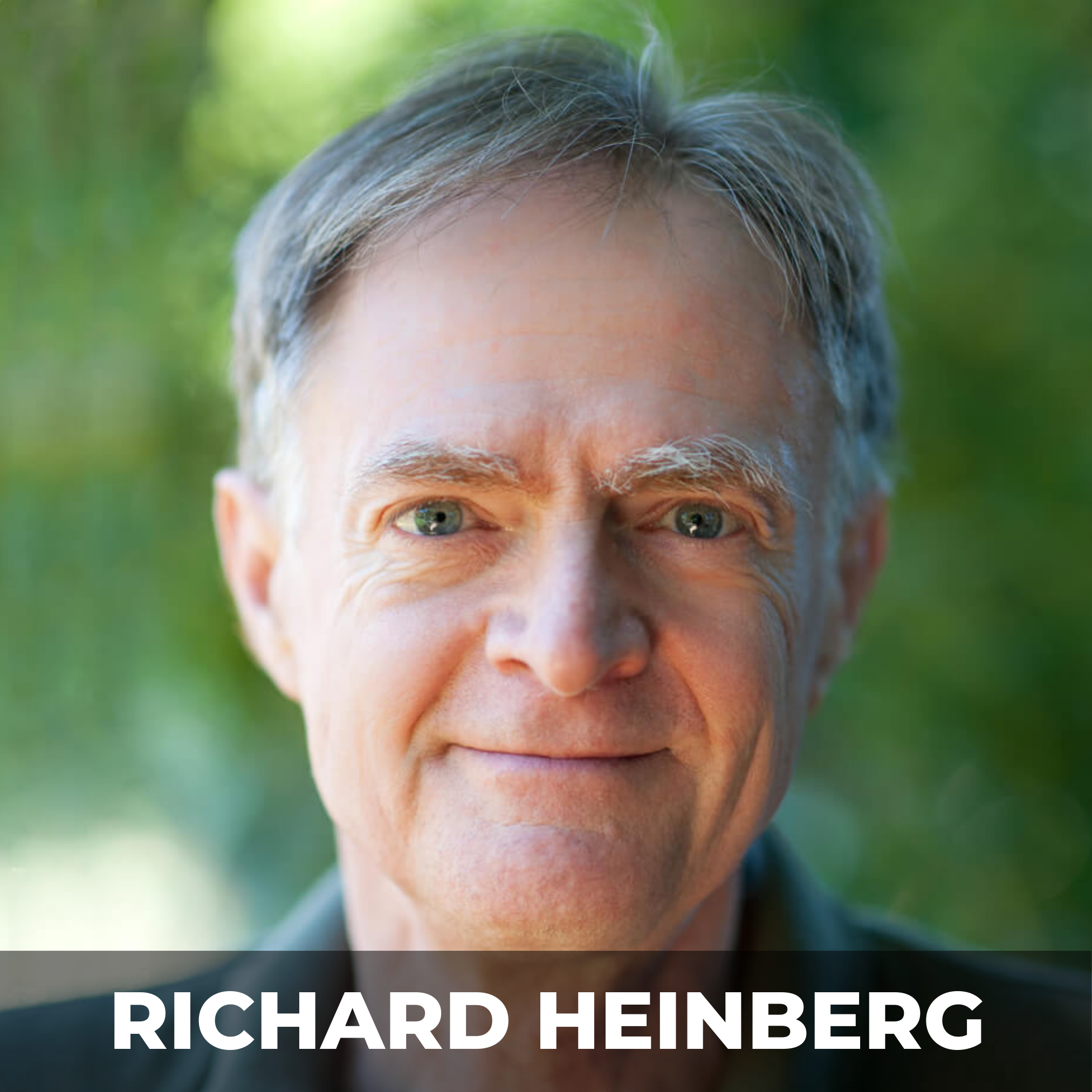
Powering Down: Beyond Growth, Toward Simplicity
Humans are overpowering Earth’s natural systems and oppressing one another. Richard Heinberg, one of the world’s foremost experts on energy and sustainability, joins us to discuss his latest book, Power: Limits and Prospects for Human Survival.
Patriarchy, Motherhood, and the Search for Meaning
If autonomy is a basic human right, why do many women have little or no choice when it comes to motherhood? Amrita Nandy, a feminist scholar and author of Motherhood and Choice: Uncommon Mothers, Childfree Women, joins us.
The Advantages of Declining Birth Rates
A declining birth rate is a positive trend that can lead to greater prosperity. Vegard Skirbekk, population economist and author of the book, Decline and Prosper! Changing Global Birth Rates and the Advantages of Fewer Children, joins us.
The Beauty and Complexity of Animal Cultures
Human supremacy keeps us from appreciating the incredible beauty and complexity of other creatures and their cultures. Carl Safina, ecologist and author of Becoming Wild, joins us.

The “Biological Clock” Myth
Medical institutions help fuel pronatalism. Kristyn Brandi, a proud abortion provider and board chair with Physicians for Reproductive Health, debunks the “biological clock” and discusses what the overturning of Roe v Wade means in terms of safe abortion care for already marginalized communities.
The Costs of Population Denialism
Dr. Helen Kopnina pays tribute to late Dr. Hadyn Washington and his uncompromising commitment to sustainability and justice. She also discusses her personal introduction to an eco-centric worldview through nature’s healing power, as well as the social and ecological costs of population denialism.
Weaving Meaning Back into Life
The dominant worldview that we are machines driven by selfishness and competition needs to be dismantled and replaced with a life-affirming worldview of deep interconnectedness that weaves together modern science and traditional wisdom. Jeremy Lent, author of The Web of Meaning and The Patterning Instinct, joins us.
Regretting Motherhood
Women who choose not to be mothers are frequently warned that they will regret their decision later in life, yet we rarely discuss the possibility that mothers who have children might regret it. Sociologist Orna Donath, author of Regretting Motherhood, joins us.
Accounting for Nature
Current growth-based economic models devalue and destroy nature. Partha Dasgupta, economist and author of The Economics of Biodiversity: The Dasgupta Review, joins us.
An Inconvenient Apocalypse
The human species faces multiple cascading social and ecological crises that require embracing the limits to growth. Robert Jensen, retired journalism professor, social activist and organizer, and co-author of An Inconvenient Apocalypse: Environmental Collapse, Climate Crisis, and the Fate of Humanity, joins us.
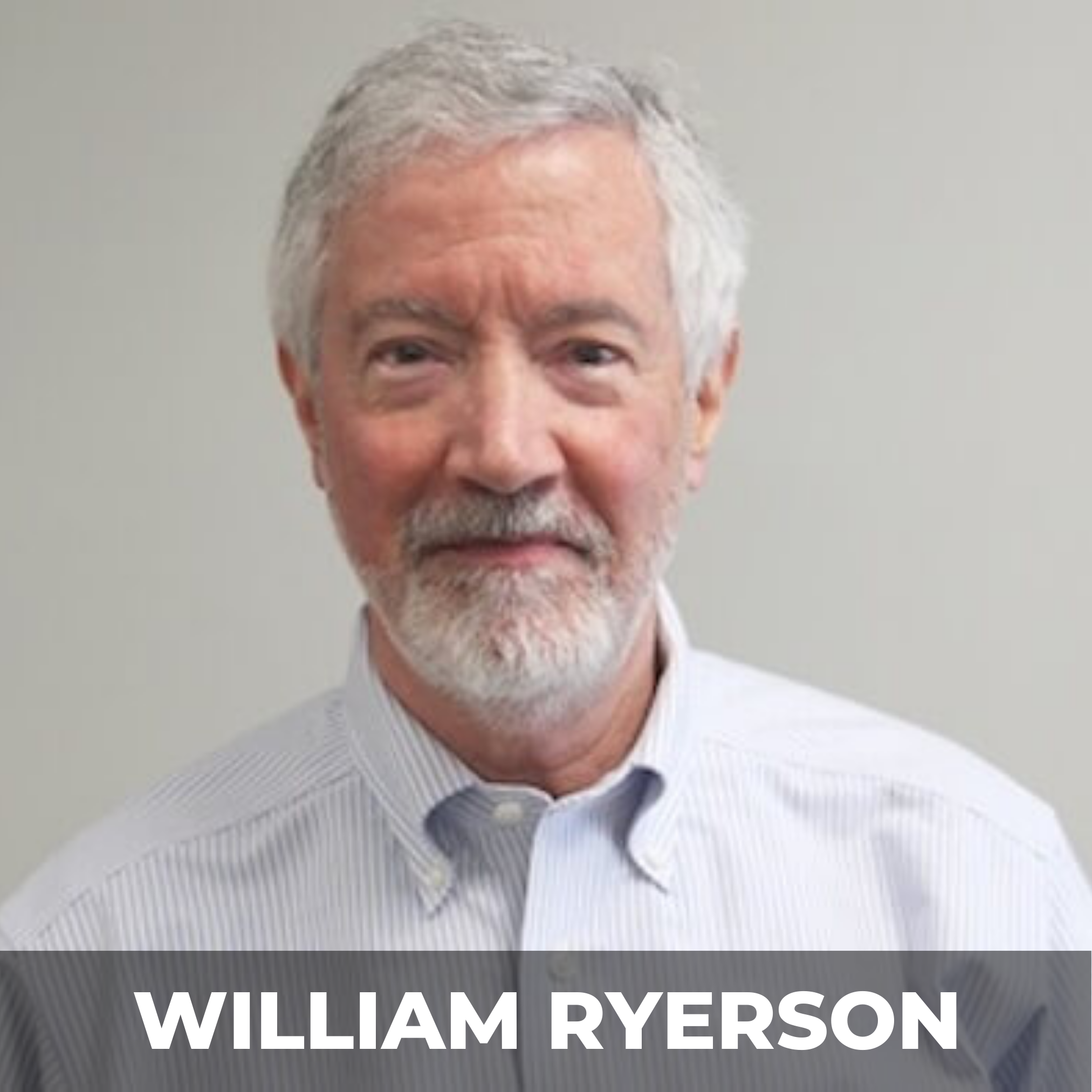
Soap Operas For Social Justice
Mass media can be used to model positive social change at large scale. Bill Ryerson, the founder and long-time leader of Population Media Center, joins us.
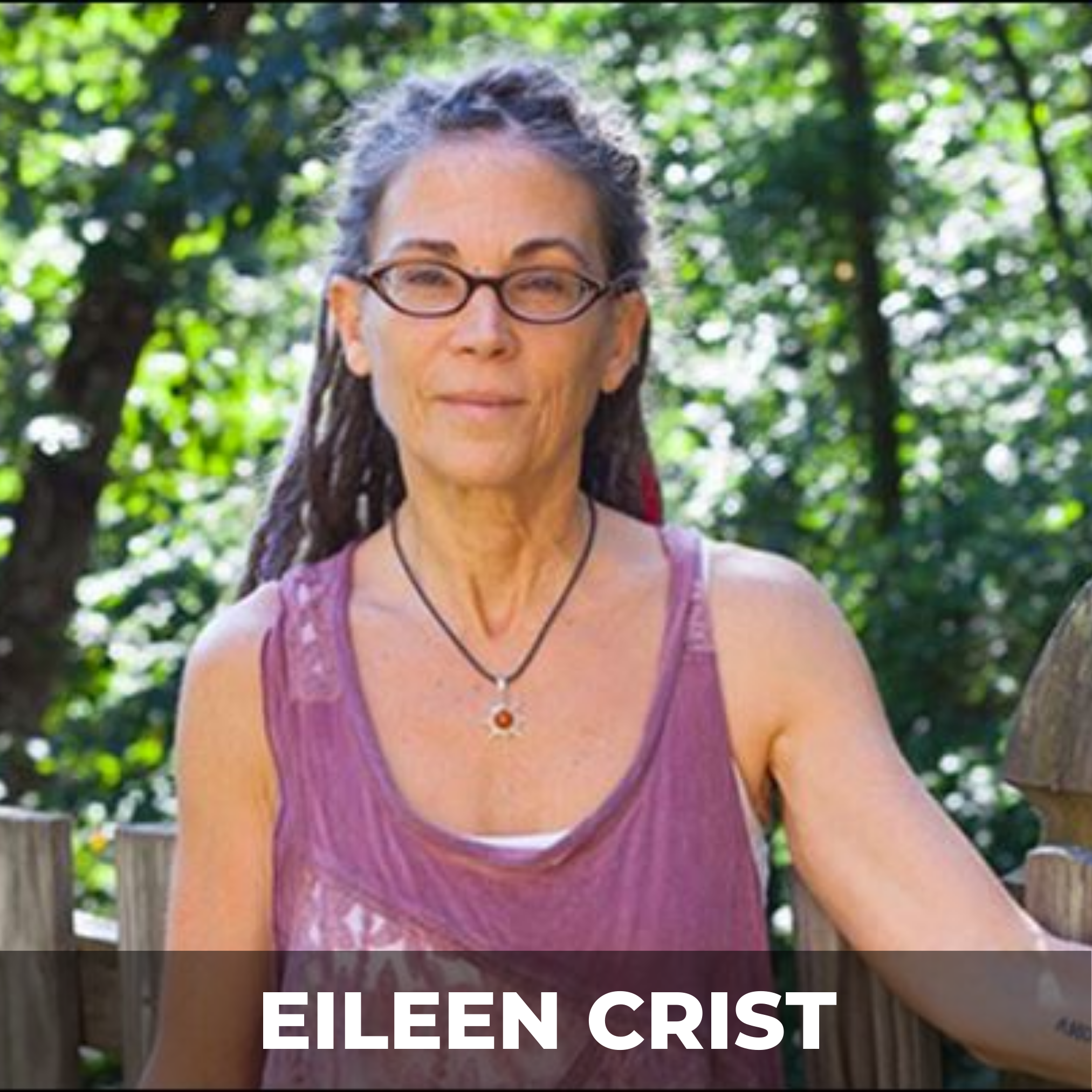
Toward an Ecological Civilization
How can we reframe our relationship with the planet to foster harmony with all life on Earth? Eileen Crist, environmental writer and author of Abundant Earth: Toward an Ecological Civilization, joins us.

Cops, Cabbages, and Condoms
Creativity, humor, and a keen sense for collaboration defined one of the most innovative small family campaigns ever undertaken. Mechai Viravaidya, public health leader and visionary, joins us.
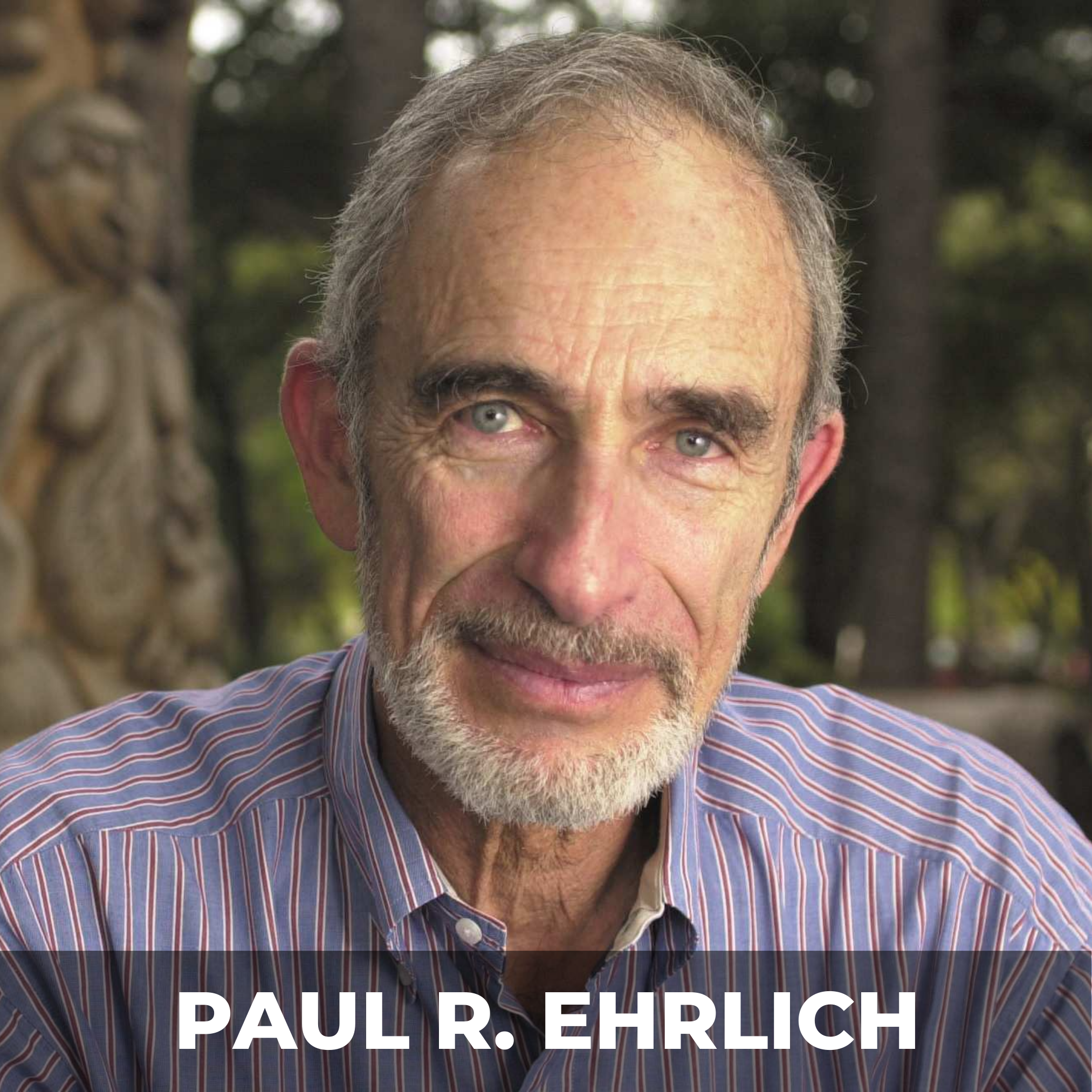
Driving Life Over the Edge
Human population has exploded, species extinction has accelerated, and humanity is busy “sawing off the limb on which it is perched”. Paul Ehrlich, author of The Population Bomb, joins us.
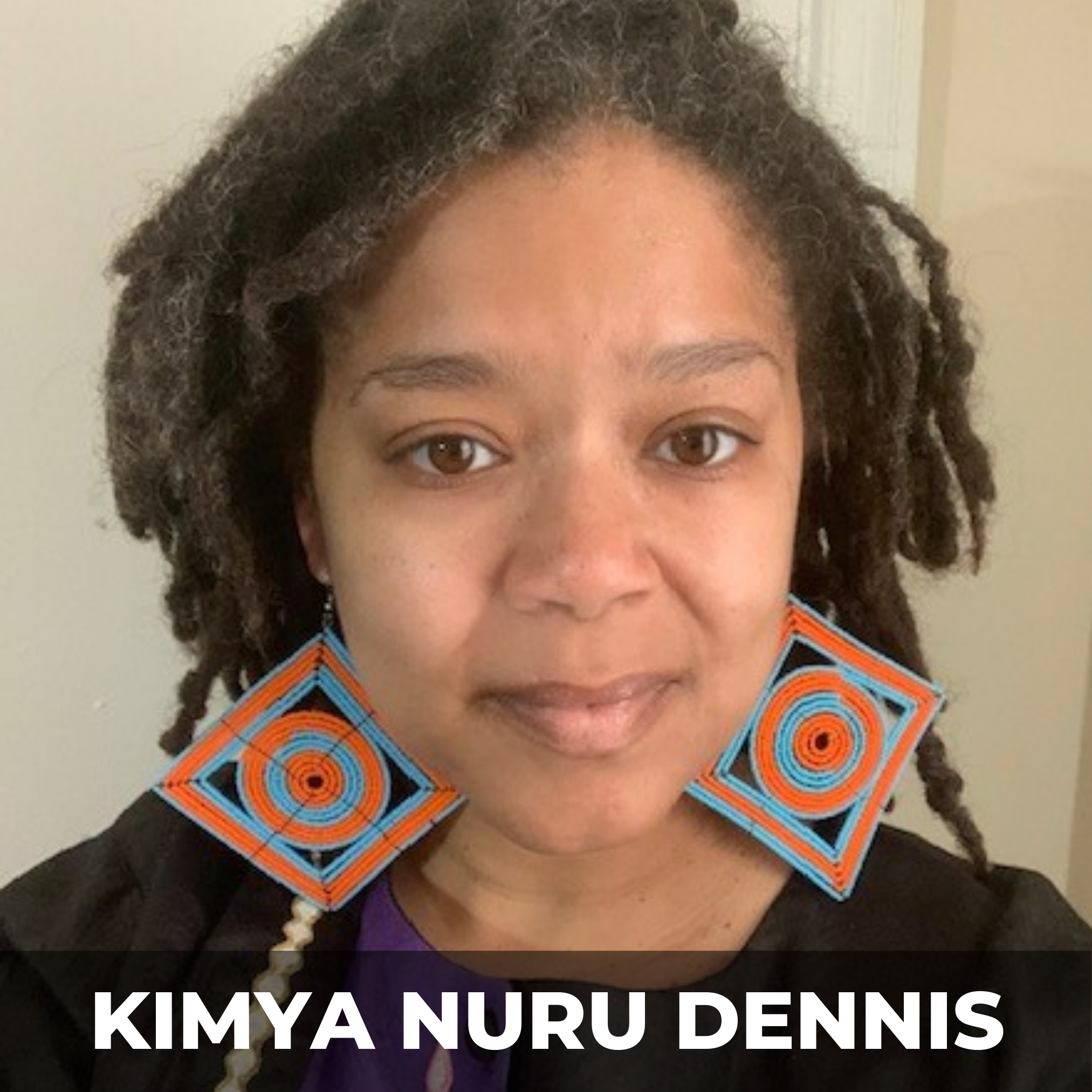
Being Black and Childfree
What does it mean to be Black and childfree in a world that often imposes rigid expectations around race, gender, and reproduction? Kimya Nuru Dennis, sociologist and community advocate, joins us.
Tackling Islamophobic Population Myths
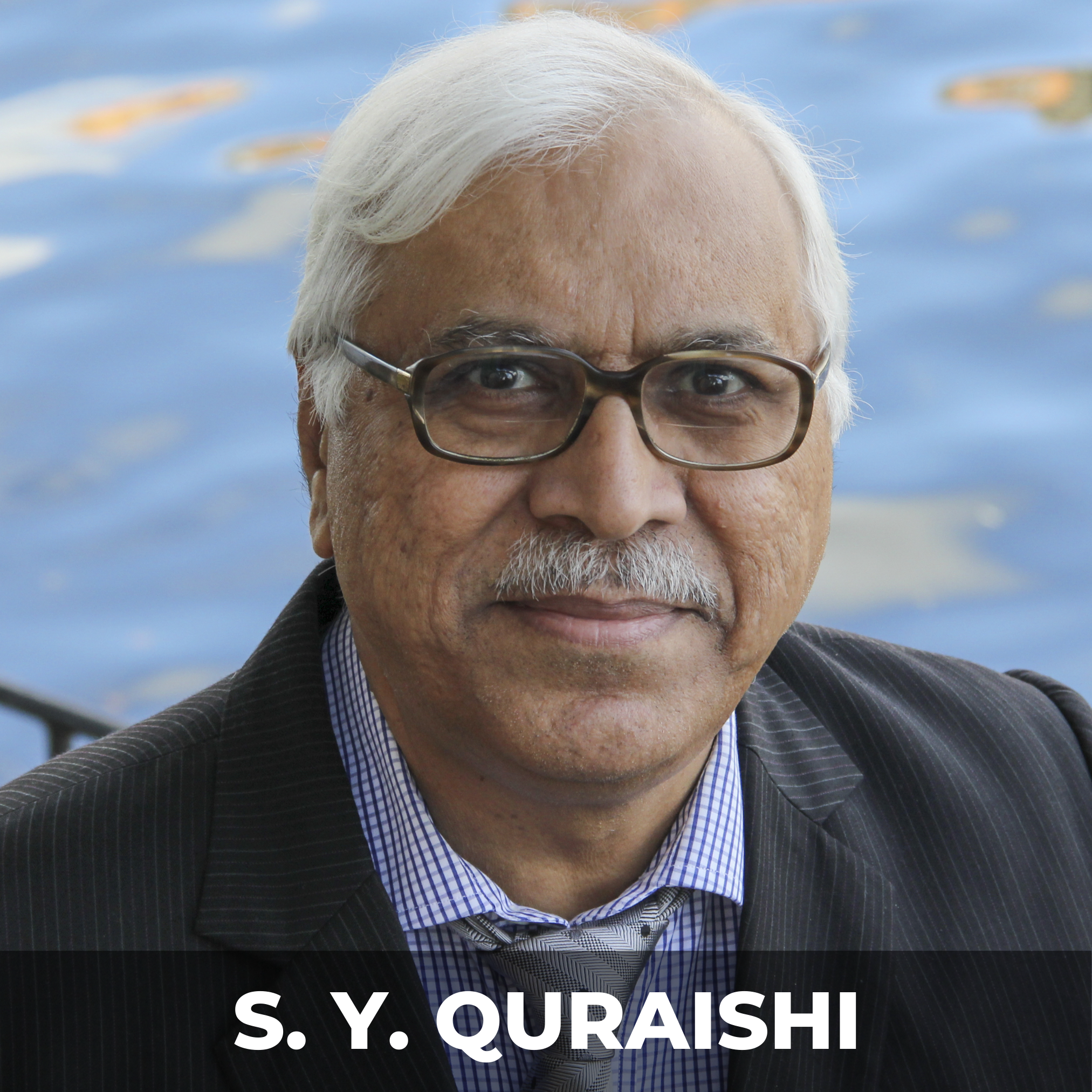
Within India there are exaggerated fears of Muslim numbers and a lack of appreciation that Muslims’ greater poverty, not their religiosity, helps explain their higher fertility rates. S.Y. Quraishi, author of The Population Myth: Islam, Politics, and Family Planning in India, joins us.

Vasectomy as an Act of Love
Offering free, non-scalpel vasectomies in a mobile vasectomy clinic helps men take reproductive responsibility - as an act of love for their partners and the planet. Esgar Guarin joins us.
Rome is Burning. The Time is Now.
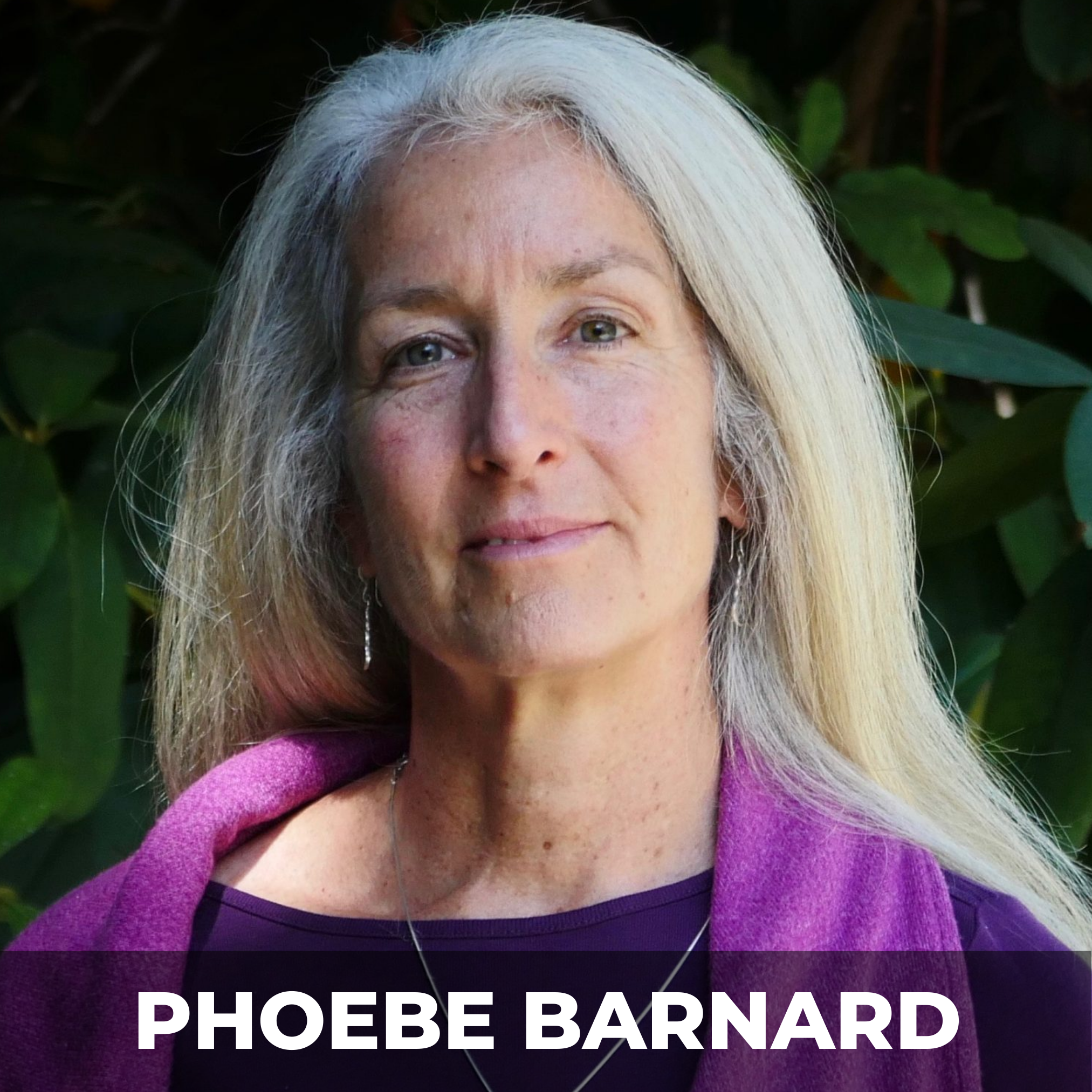
Collaborative efforts across boundaries of faith, science, and activism are desperately needed to protect Earth. Phoebe Barnard, biodiversity scientist and global change advocate, joins us.

My So-Called Selfish Life
The choice to be childfree is made so much harder by the intense pronatalist cultural messages that we’re all exposed to. Therese Schecter, filmmaker of the documentary, My So-Called Selfish Life, joins us.
Endangered Species Condoms
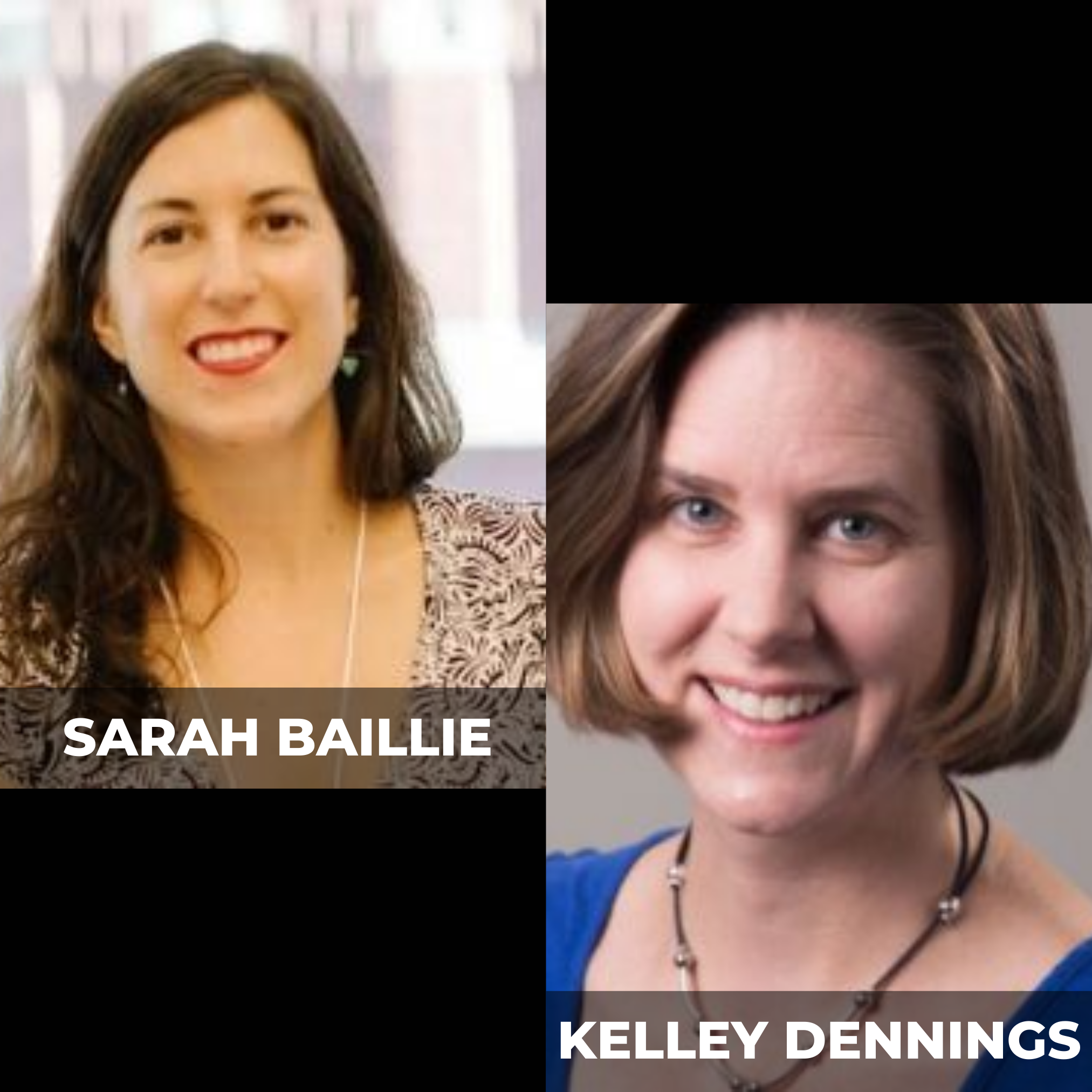
Human reproductive decisions affect the biodiversity of all life on Earth. To discuss how they broach this sensitive topic within their work, Sarah Baillie and Kelley Dennings from The Center for Biological Diversity, join us.