
ESSAYS
Selected essays from our team and colleagues on ecocentrism, reproductive choice, kinship, and simplicity.
“Green growth” and population denial doom our climate efforts
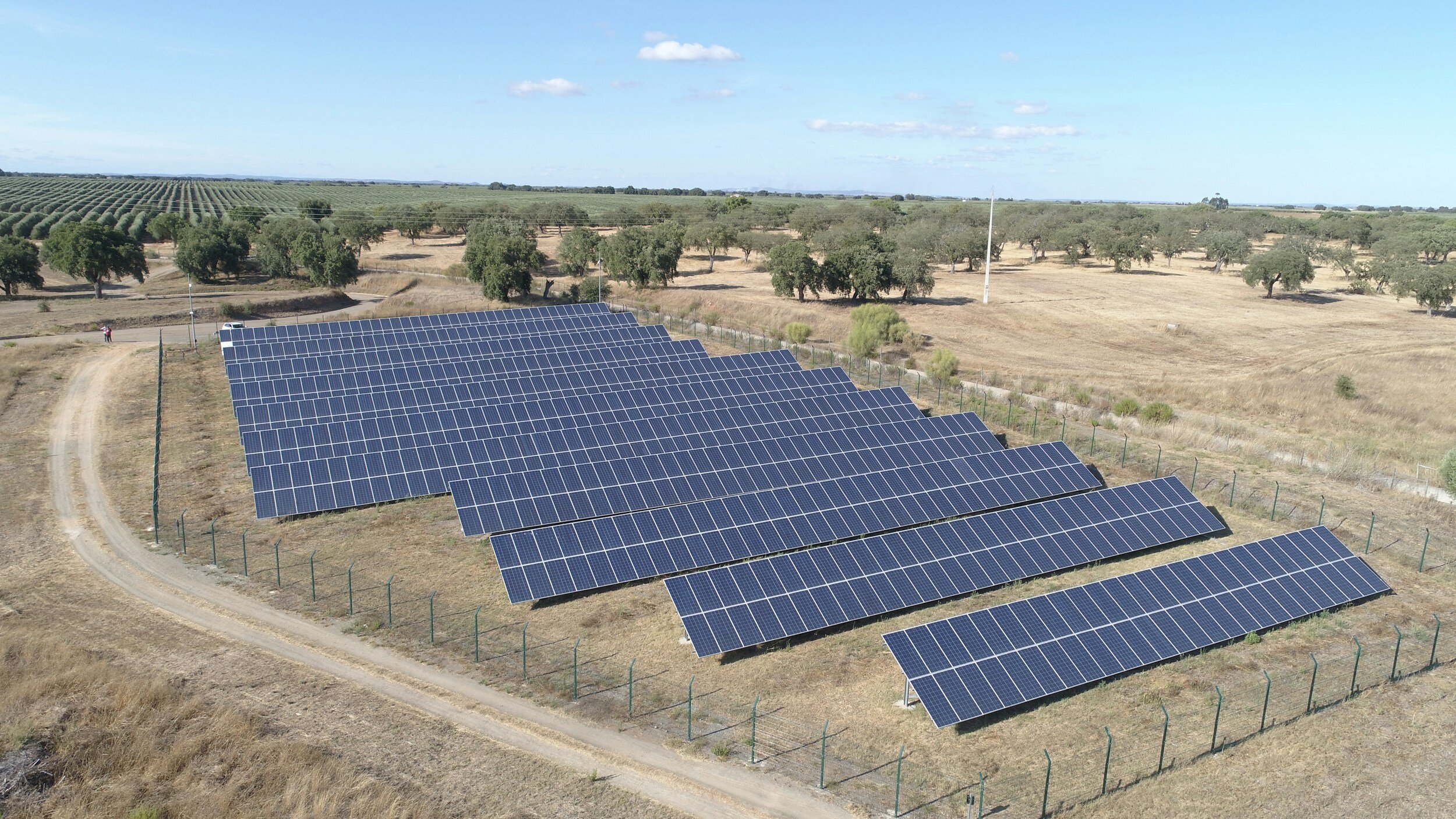
As the warmest year on record draws to a close, delegates from around the world just reached agreement, after 30 years of meeting on climate change, to transition away from fossil fuels. The legally nonbinding consensus to shift to renewable energy technologies came after delegates arrived via private jet in Dubai, the capital of one of the largest oil producing nations…

Wealth never sleeps
I am congenitally cheap. There is Scottish blood in my veins, which may explain why our family crest reads: “Fix it up, wear it out, make it do, or do without.”

Why I am not going to consult AI
"AI can help writers save time, reduce costs, overcome creative obstacles, and produce diverse and original content for different channels and audiences." - Linked-In advice, regarding the usefulness of AI for writers
No thanks. In the words of Bartleby, The Scrivener, written by Herman Melville with neither computer nor AI, I would prefer not to.
The fallacy of endless economic growth: What economists around the world get wrong about the future
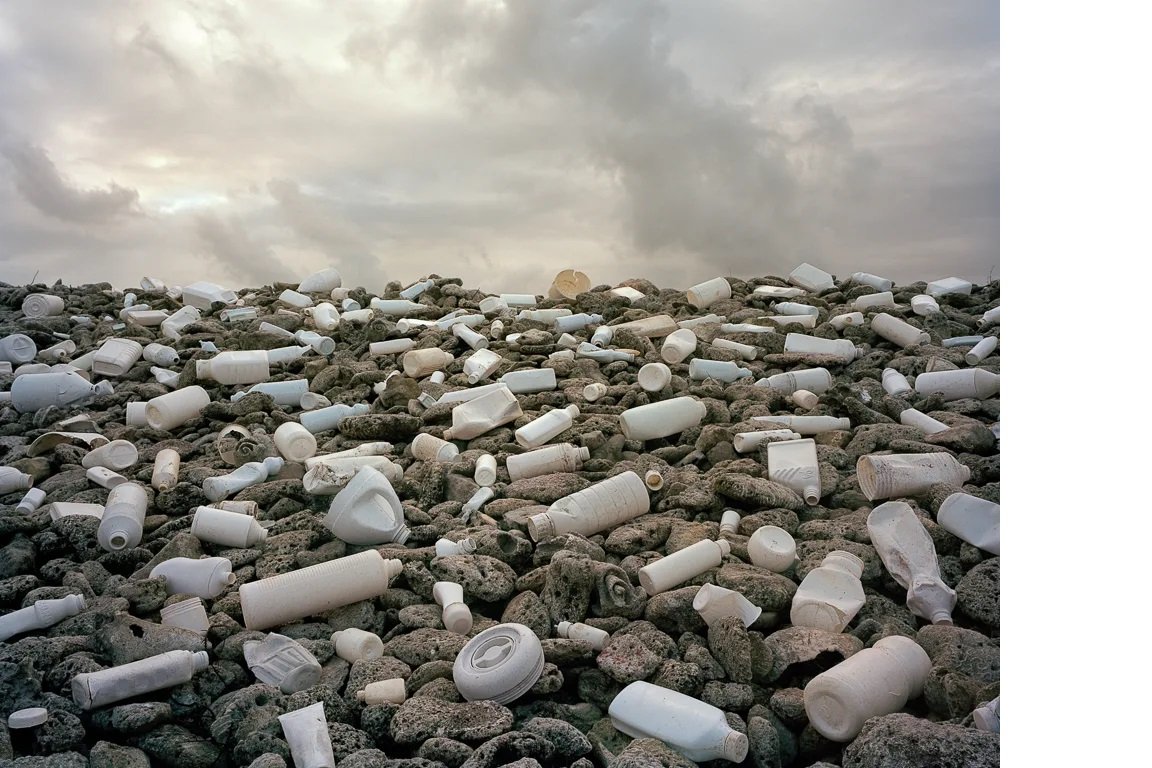
The idea that economic growth can continue forever on a finite planet is the unifying faith of industrial civilization. That it is nonsensical in the extreme, a deluded fantasy, doesn't appear to bother us.
Family life in a nature-loving world
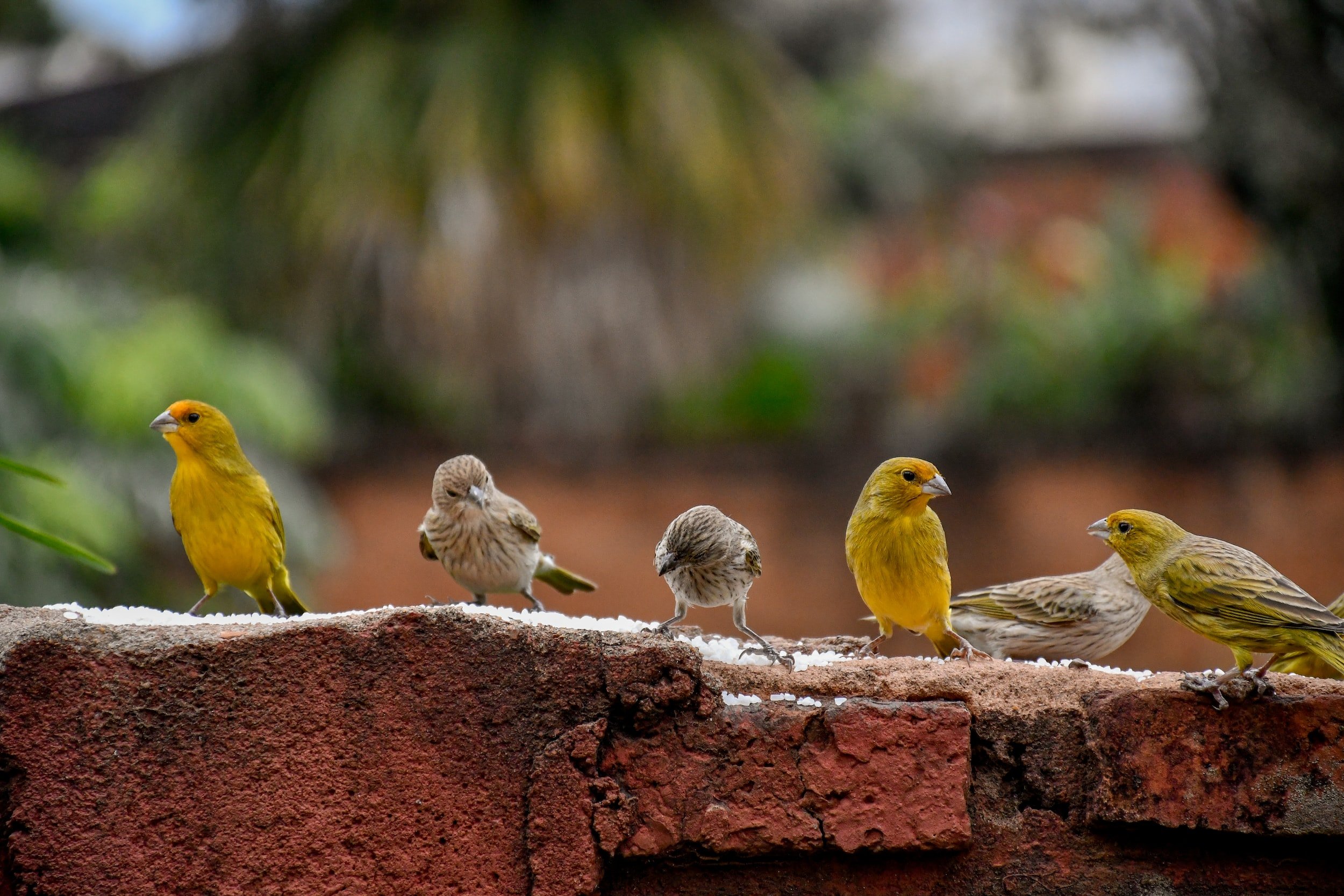
My wife and I are part of a large family. We have no children, no pets, but all the kin in the world. You, too, are part of this bonded group. It is true that we will never know the identity of the last common ancestor that you and I share with the old lady down my road, the birds in the back garden, the worms in the compost pile, the bacteria in my stomach, your stomach, and the deep sea, and all our other living relatives…
Boiling frogs
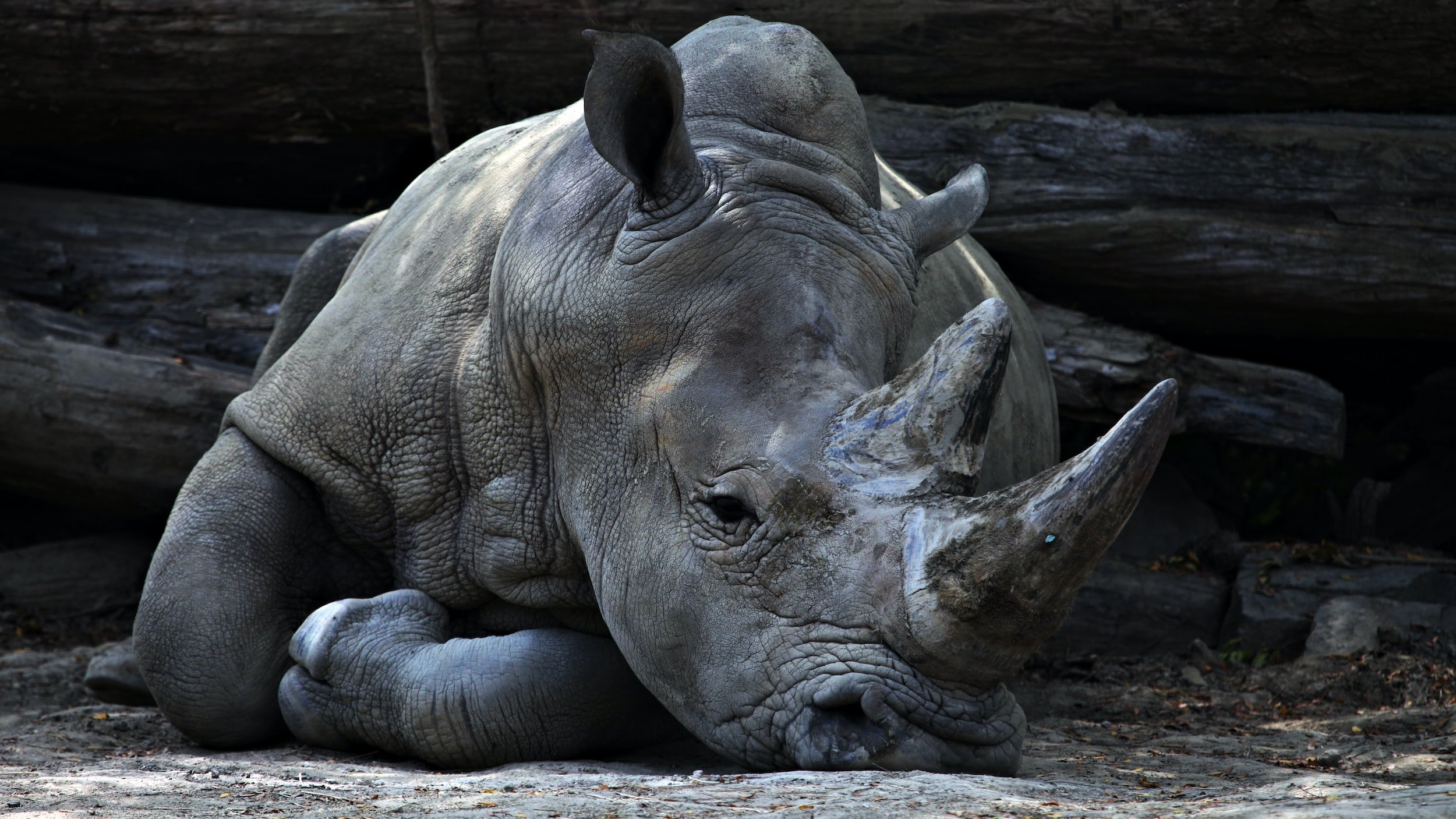
In the span of a hundred years, the number of people on Earth has quadrupled, from two billion to eight billion, the latest billion added in only eleven years. This slow-motion disaster used to garner headlines in the 1970s. Concern about population explosion launched the first Earth Day and founded many environmental groups. Back then there was urgency about human overshoot. But then we gained another four billion people and somehow lost our minds.
You’ve got to be carefully taught
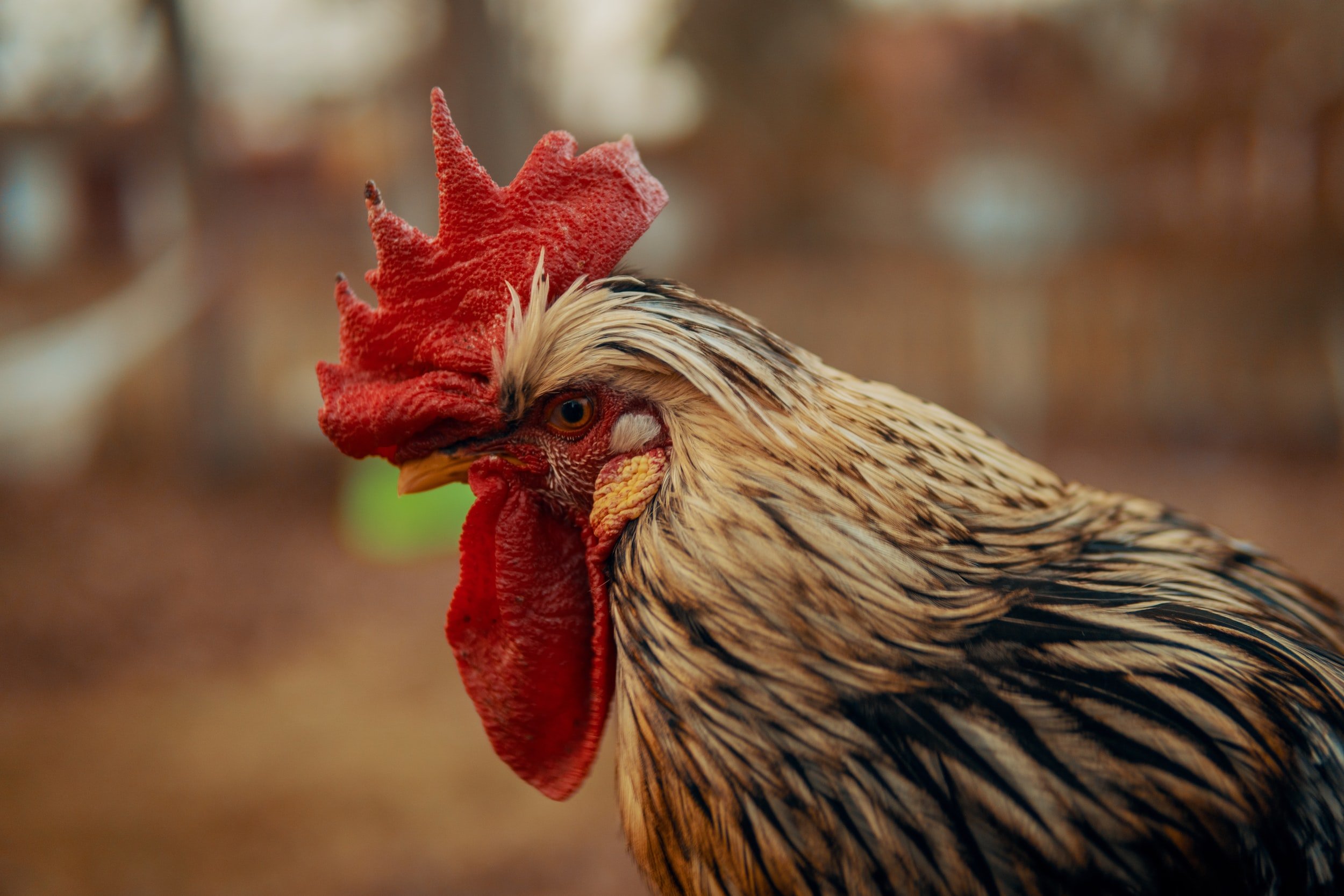
This was yet another piercingly honest exposé of our human supremacist worldview by Dr. Crist. As Crist points out, human supremacy exists as a background assumption that gives us permission to use, abuse, torture, and kill animals for food, clothing, entertainment, experimentation, and so much more, as we deem fit.

Solidarity with animals
The animal economy, wherein animals routinely suffer truncated and brutalized lives, weaves massively through the global economy. Billions of animals are utilized each year, with virtually no compunction, in industries of food, feed, supplements, clothing, furnishings, textiles, footwear, accessories, luxury products, entertainment, traditional medicine, and pharmaceuticals.

Don’t lose heart
It is said we are made of stardust. Perhaps that’s where accomplished meditators return. The rest of us may more easily return to what we’re made of by contemplating the first lifeform that emerged: the Archetype, which literally means “the first form.”

Holidays: A chance to dig deeper for kinship and meaning
Most of my waking hours are dedicated to spreading awareness about the pervasiveness and oppressiveness of pronatalism, which is the social bias towards biological children.

The left’s population denialism
There is an unfortunate trend among some of our allies on the Left of denying the relevance of our growing human population to the mounting environmental crises that pose an existential threat to our species and most others on Earth.

Broken mirror
The real way forward, away from suffering and toward hope, lies in denouncing the root cause of our predicament, the human-supremacy story, the destructive platitude of human specialness.

Cities and green orthodoxy: The future of sustainable development
As the world has urbanized rapidly since 1950, per capita carbon footprint has declined, and so has carbon intensity in economic output, defined as the amount of energy used to produce a unit of economic growth. But gross material throughputs and greenhouse gas production during this same period skyrocketed.
Earthling (We/Us)
Earth keepers call out to one and all to opt out of the sociocultural identity game, to choose freedom from anthropocentric herd costumes that furnish simulacra of reality for a sleepwalking, and now moribund, existence.
Something wicked this way comes: The menace of deep-sea mining
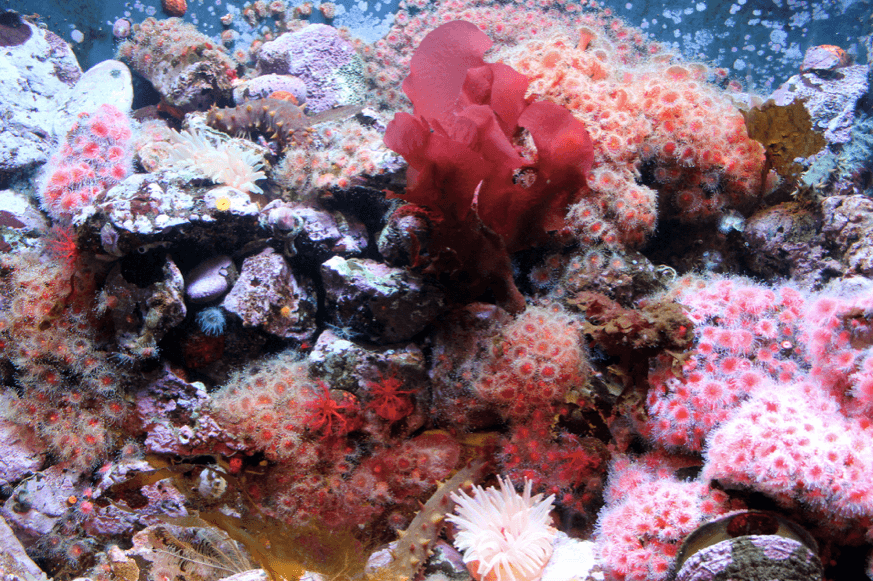
A new chapter of Earth pillage is in the works: the commercial venture of deep-sea mining. The deep sea lies 200 meters below sea level into the abyssal depths and comprises roughly 65 percent of Earth’s surface. It is being encroached by a nexus of nation-states and industries slavering over its “mind-boggling quantities of untapped resources”.
The environment & animals don't care about our discomfort with these topics
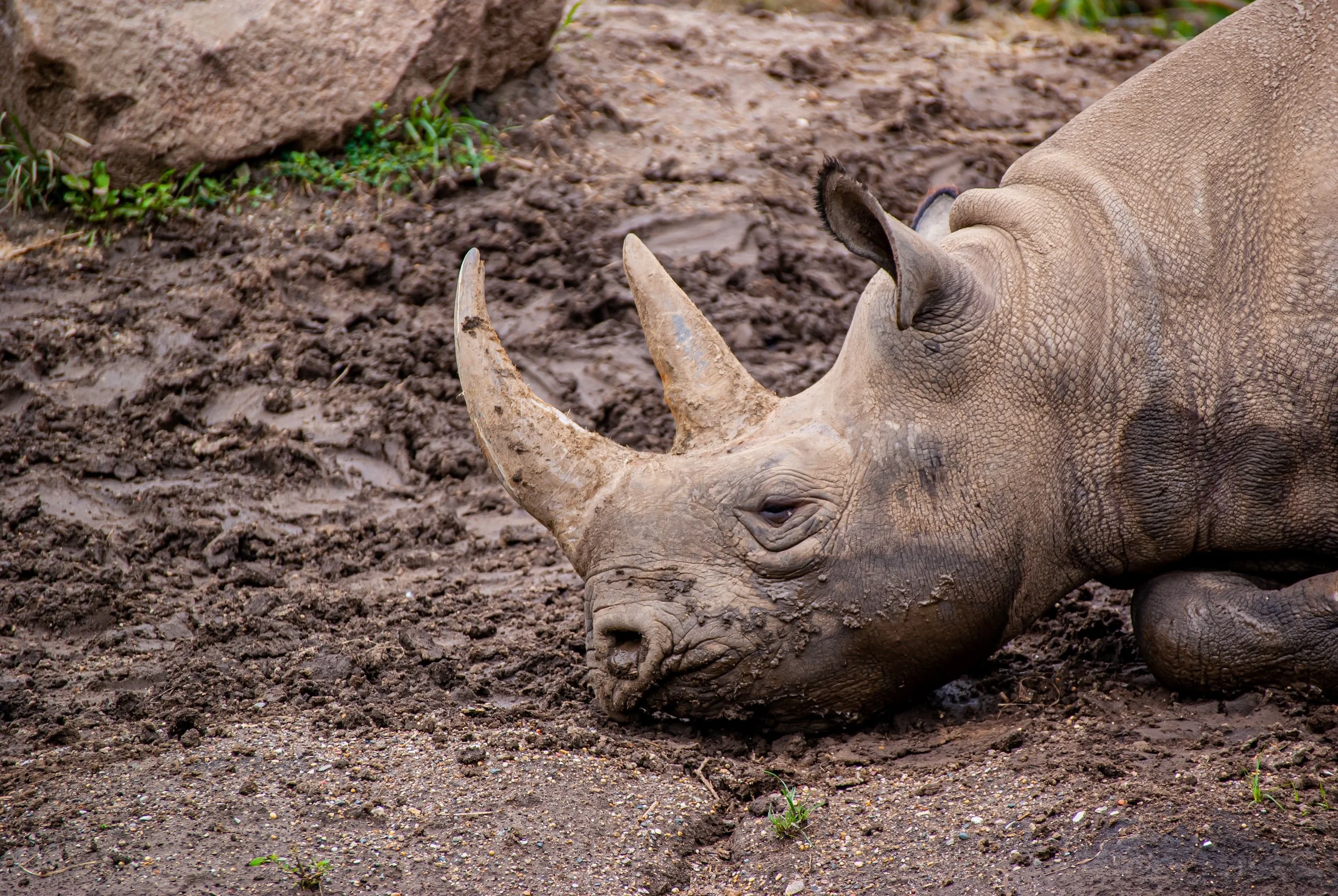
At a time when our collective human footprint is wreaking havoc on the planet, the fact that humanity is choosing to still feed itself with a diet that includes animal products is exacerbating and multiplying our damaging impact, with animal agriculture being a leading driver of biodiversity loss, deforestation, water use and water pollution.

Pope Francis’ not-so-divine intervention
Pope Francis’ recent comments calling those who are choosing to forego procreation to be selfish fly in the face of our fight for social, reproductive, and ecological justice.
Shutter the factory farms
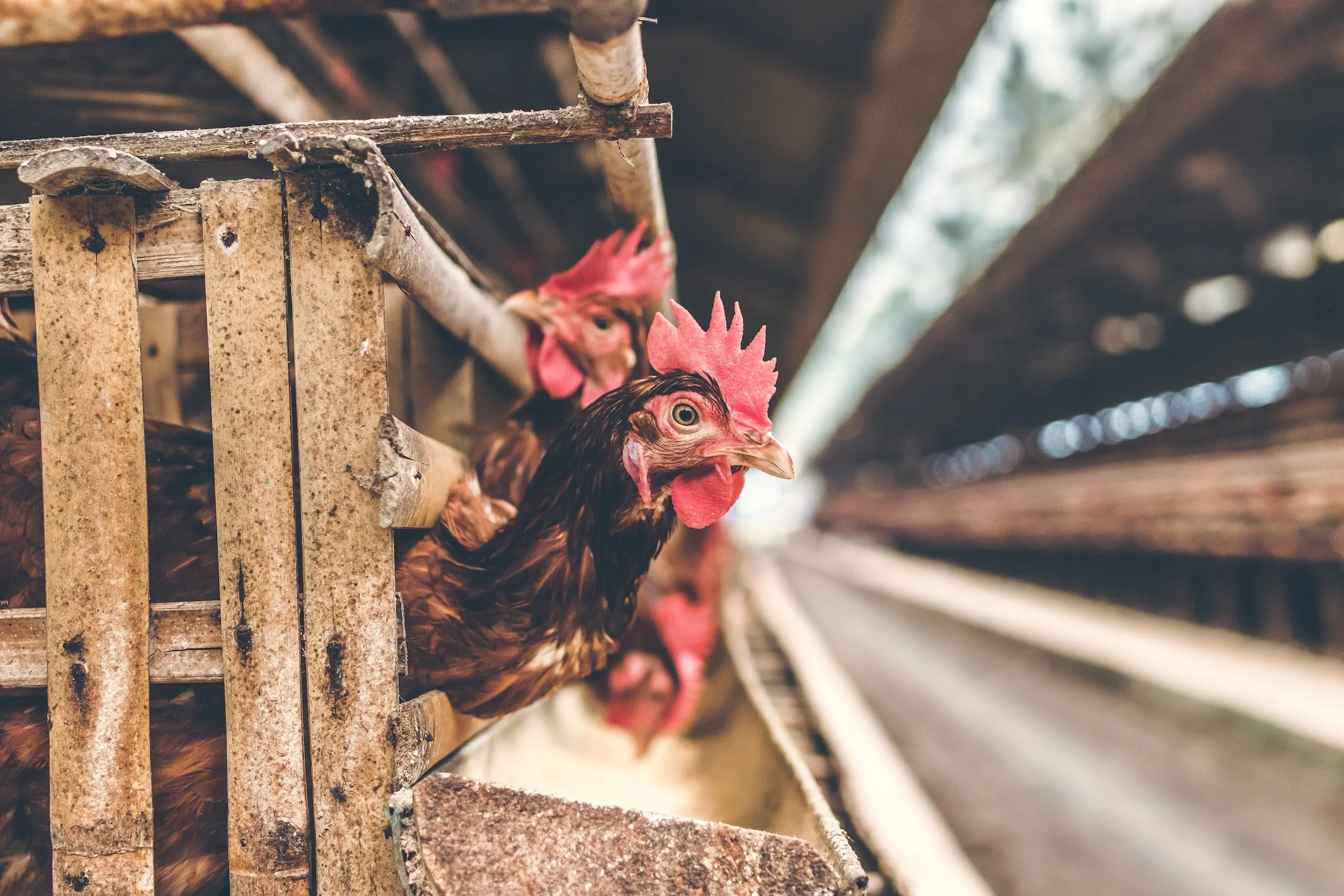
The othering of animals marks a watershed in the invention of “the human” qua superior, entitled, and invested with absolute power over nonhumans. Human supremacy did not so much need to pit itself against trees, rivers, or mushrooms.

What is humane education?
Zoe, what is humane education, and why is the Solutionary Framework so pivotal for addressing our complex global issues?

We need to talk about overpopulation
Nandita, you have become committed to exploring the impacts of pronatalism and have been embedding the issue of human population growth ever more deeply into humane education. What inspired you to devote so much thought and time to this particular issue?